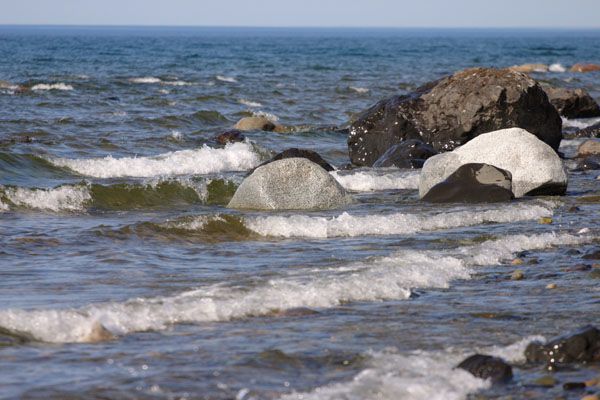
Lake Iliamna, covering 1,012 square miles in southwest Alaska, is the second-largest lake entirely contained within the United States. Native Athabaskans call it Nugglemitotl — 'something big in the water' — and oral tradition describes a creature called Jig-Nik or Hairy Man of the Lake that can overturn kayaks and leave eight- to twelve-foot-wide wakes on still mornings. Documented reports of large, unidentified animals in the lake go back to the 1940s, when homesteading bush pilots flying low over the lake began describing dark elongated shapes up to thirty feet long moving just beneath the surface.
In 1959, pilot Tim LaPorte and two passengers circled an estimated twenty-five to thirty-foot grey-black creature for several minutes, watching it move with a vertical undulation unlike any salmon or sturgeon. In 1963, a Penn State biologist and his bush pilot watched what they estimated to be a ten-foot 'dull aluminum-colored' creature. The Anchorage Daily News offered a $100,000 reward in 1979 for clear evidence; it was never collected. In 2006, Audubon magazine sponsored a week-long investigation that yielded no definitive sightings but documented dozens of historical accounts from villagers in Iliamna, Newhalen, and Pedro Bay.
Skeptics point to the white sturgeon (Acipenser transmontanus), which grows to twenty feet and is known to exist in Cook Inlet — though not confirmed in Iliamna itself. Others suggest the Pacific sleeper shark (Somniosus pacificus) may enter the lake via the Kvichak River. The lake's extreme depth (up to 988 feet), cold temperatures, and massive salmon runs could sustain a large predator population undiscovered by formal science. Lake Iliamna remains the only body of water in the United States with a sustained, cross-generational, multiple-witness cryptid tradition comparable to Loch Ness.