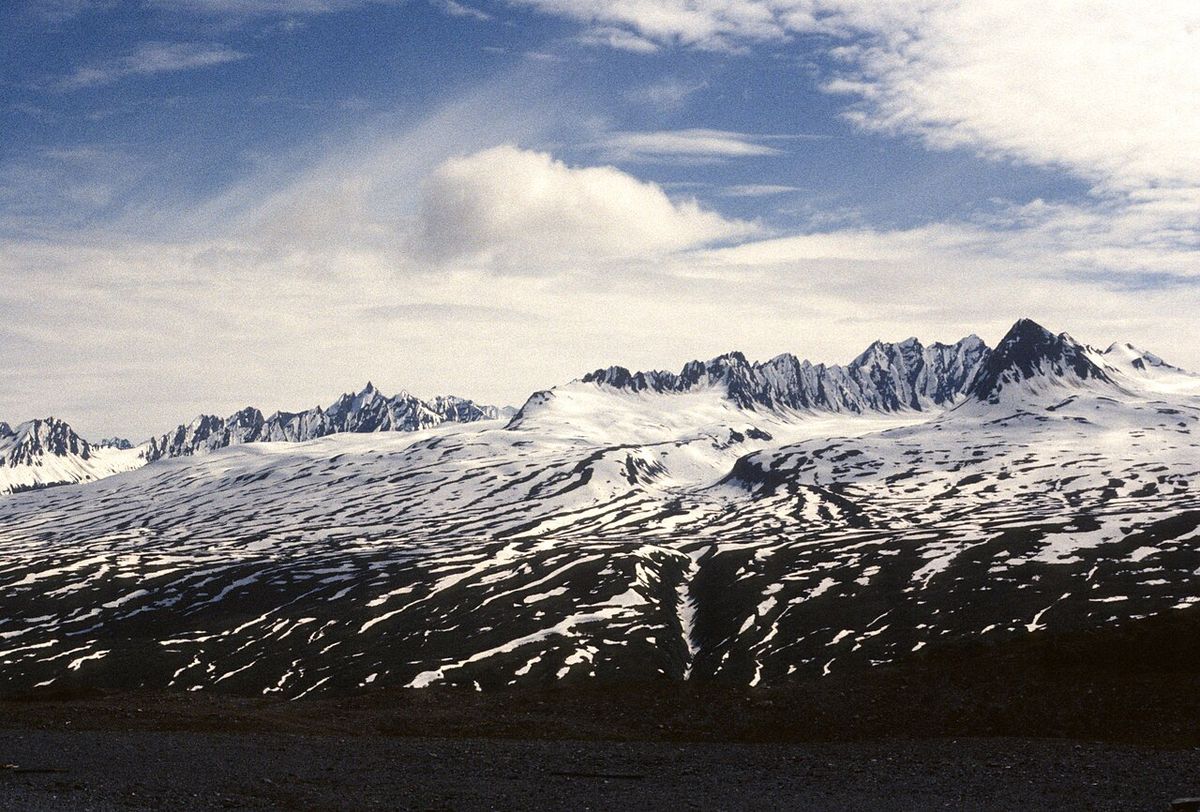
Portlock, a small cannery town on the southeastern tip of the Kenai Peninsula on Port Chatham bay, was fully abandoned by 1950 after a decade of mysterious deaths and disappearances that residents attributed to a hairy bipedal creature the local Alutiiq called Nantiinaq — sometimes rendered in English as 'Hairy Man' or 'Big Man.' Settled in 1786 and named for Royal Navy Captain Nathaniel Portlock, the village had a cannery, a school, a post office, and a stable population of around 200 Russian-Alutiiq fishers.
Between 1931 and 1949 at least a half-dozen residents vanished in circumstances that terrified the survivors. A cannery worker sent up the hill to cut logs was found floating in the bay with a skull crushed by what appeared to be enormous hands. A hunter tracking a bear was found mutilated above the tree line with one leg missing. Bodies washed down the creek into the cannery lagoon without explanation. In 1940, trapper Albert Petka saw a 'giant hairy creature' stalking him through the birch stand above town; he fired both barrels of a shotgun into its chest and the creature staggered but did not fall. In 1949, after the latest body came down the creek, the remaining villagers — Alutiiq elders and cannery workers alike — collectively decided the place was cursed. The post office closed in 1950 and the settlement was abandoned.
Portlock remains one of the only American ghost towns whose depopulation was officially attributed in oral history not to economic decline but to a cryptid presence. Alutiiq traditions describe the Nantiinaq as a powerful spirit-creature that can take bipedal form and is associated with particular mountains of the Kenai. Modern visitors to the overgrown ruins — now reachable only by boat — report feelings of being watched, and several sport-fishing parties have claimed to see a large upright figure moving through the spruce on the ridgeline above the lagoon.