Reports of enormous black-plumed birds with wingspans exceeding 14 feet have persisted across Alaska's North Slope and interior for at least a century, drawing on pan-Indigenous traditions of the Thunderbird that stretch from the Pacific Northwest to the high Arctic. The Iñupiat of Utqiagvik (formerly Barrow) call the creature Tingmiaqpak. In 2002, residents of the Yup'ik village of Togiak, on Bristol Bay, reported a creature 'the size of a small airplane' with a 14-foot wingspan circling the village. Pilot John Bouker, who flew over the bird at 1,000 feet, described it as being far too large to be a bald eagle or any known North American raptor.
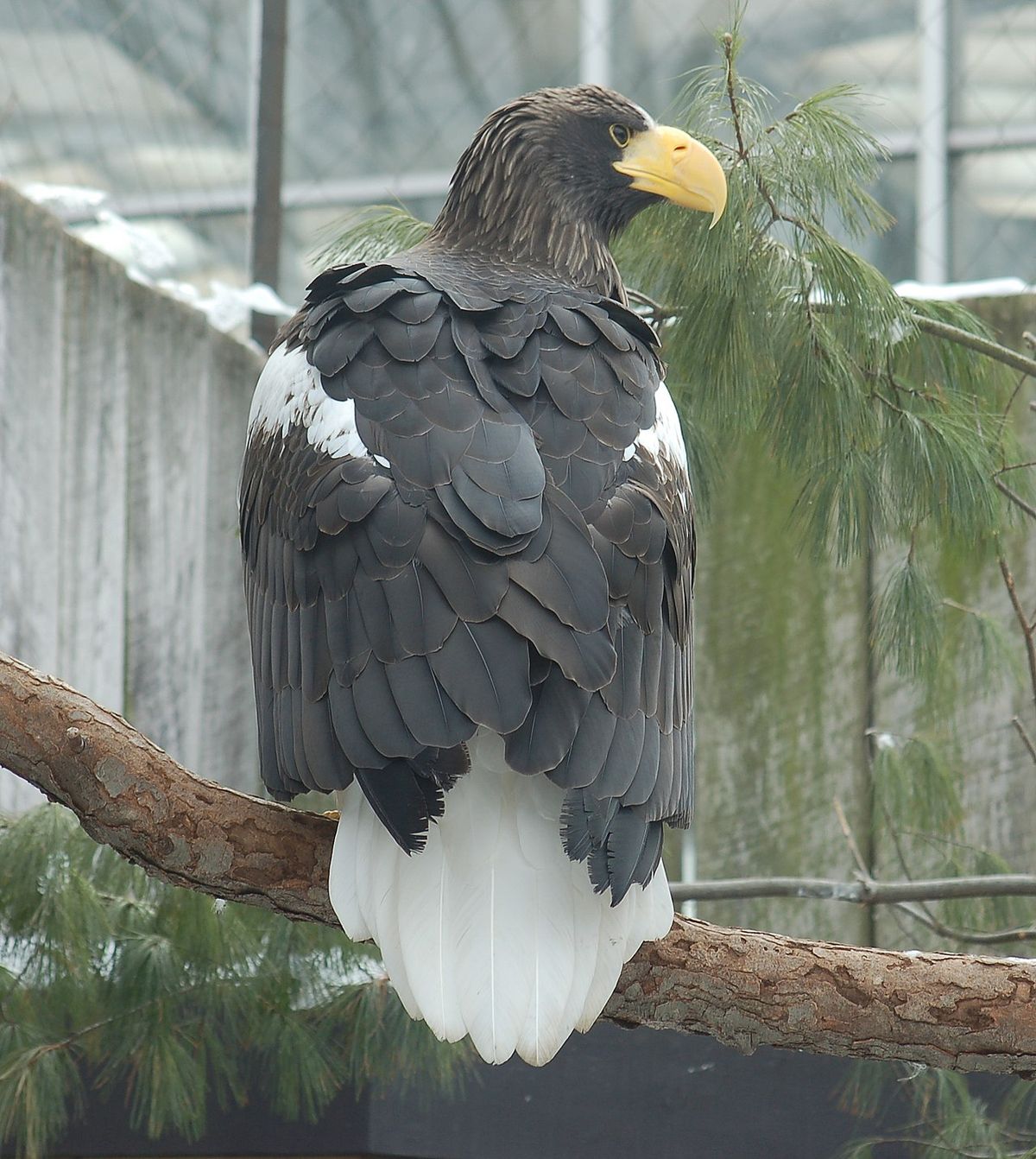
The following week, in neighboring Manokotak, Moses Coupchiak watched the same or a similar bird from the cab of his bulldozer; he estimated the wingspan at more than fifteen feet. Retired school-principal Ken Alstrom said it made a bald eagle 'look like a seagull.' The Alaska Department of Fish and Game suggested the reports might describe a Steller's sea eagle (Haliaeetus pelagicus), whose wingspan can reach 8 feet — far short of the witnesses' estimates. Ornithologists have also suggested northern range-creeping of the Andean condor or escaped birds from private collections, but neither hypothesis fits.
Earlier accounts describe similar birds seizing dogs, caribou calves, and once, in an 1849 trading-post ledger kept at Fort Yukon, an Athabaskan child. The Thunderbird tradition among Alaska Native peoples describes a creature whose wingbeats cause thunder and whose eye-flash produces lightning, and elders say it is especially seen before major storms. Modern bush pilots in the Brooks Range have on several occasions reported seeing 'something far too big' pass beneath their aircraft at low altitude. Whether the Alaska Thunderbird is a surviving teratorn, an unusually large eagle, or a folkloric reflex, the sightings continue.