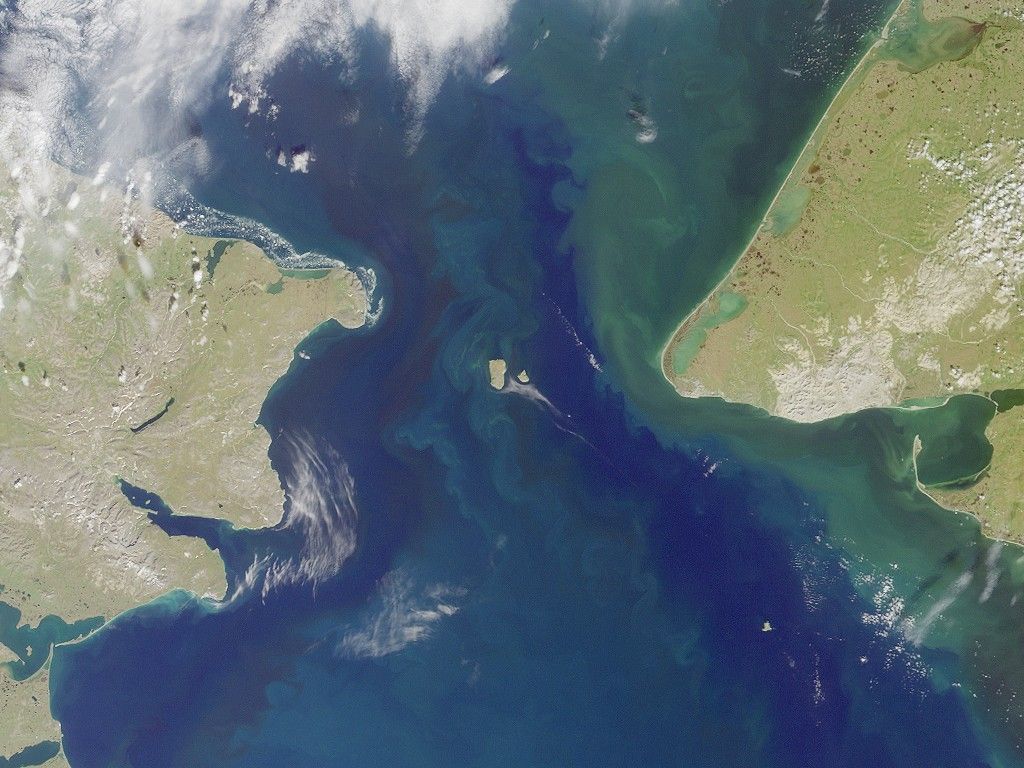
Among the Iñupiat of King Island and the Diomede Islands in the Bering Strait, the Tizheruk is a fifteen- to twenty-foot serpentine creature with a seven-foot head and a single tail flipper that stalks the narrow waters between mainland Alaska and Siberia. Oral tradition holds that Tizheruk rise vertically from the water to seize walrus hunters standing on sea ice or to pluck unwary kayakers from the surface. Victims are dragged beneath the ice and are never recovered. The creatures are said to be especially active in the eight weeks before freeze-up, when the Bering Strait is dotted with pan ice and hunters work alone on small flows.
Documented twentieth-century encounters come principally from the village of Ukivok on King Island, whose elders described three separate fatal attacks between the 1930s and 1950s. In each case, a hunter was standing at the ice edge and was seen by a companion to be seized by 'something like a dog with teeth like a halibut' and pulled below in a single motion. U.S. Revenue Cutter Service officers stationed at Nome recorded Iñupiat reports but never observed the creature directly. The anthropologist Robert Mayokok, himself an Iñupiat, documented the Tizheruk as a living oral tradition well into the 1960s.
Biologists have suggested that the Tizheruk may conflate sightings of the Greenland shark, the Pacific walrus, the bearded seal, and the Pacific sleeper shark, all of which inhabit the same waters. Others note the pattern of a long, narrow body with a distinctive head and single tail fin is more reminiscent of oarfish, which occasionally stray into the Bering from the Pacific. But the Iñupiat insist the Tizheruk is none of these — a distinct predator native to the edge of the ice. Modern Bering Sea crabbers occasionally report unusual shapes on their fish-finders in the strait, keeping the old stories alive.