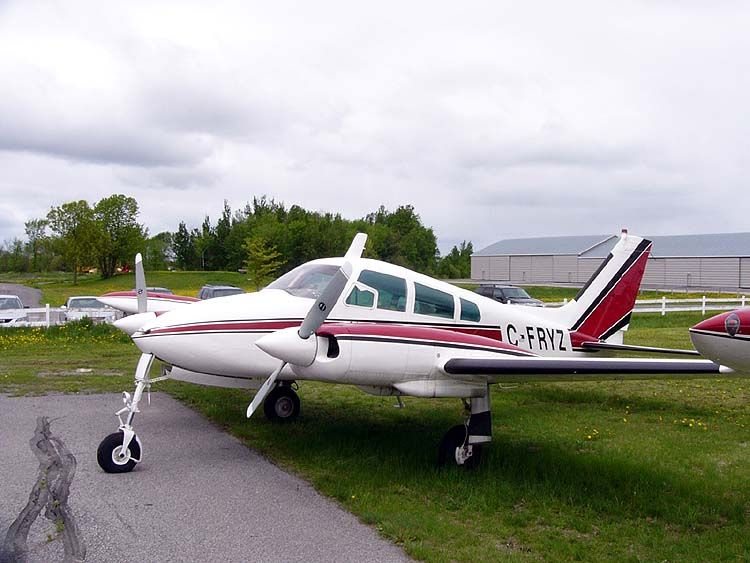
On the morning of October 16, 1972, Cessna 310C N1812H departed Anchorage International Airport bound for Juneau, a routine 500-mile domestic flight expected to take roughly three hours. On board were four men: U.S. House Majority Leader Hale Boggs of Louisiana, U.S. Representative Nick Begich of Alaska, Begich's staffer Russell Brown, and pilot Don Jonz. The flight was officially a campaign swing for Begich, who faced re-election three weeks later. The weather was clear and cold with light winds aloft. The aircraft was never heard from again.
An unprecedented 39-day search — the largest air-search-and-rescue operation in United States history to that date — deployed more than 400 aircraft and combed an area larger than the state of California. Ninety-day search extensions followed, and the Civil Air Patrol continued spot-checks into 1974. Not a single piece of debris, emergency locator transmitter signal, seat cushion, survival gear, or human remains was ever recovered. The disappearance zone is believed to include the rugged passes of the Chugach and Wrangell Mountains, the Prince William Sound coastline, and possibly deep water off Montague Island. Begich was re-elected posthumously; Boggs's daughter Cokie Roberts became a noted journalist and her mother Lindy Boggs succeeded him in Congress.
Conspiracy researchers have repeatedly revisited the case. Boggs had served on the Warren Commission investigating the Kennedy assassination and had publicly doubted the lone-gunman theory in the months before his disappearance. Flight 1866, a Pacific Air Lines 727 that crashed in the same region two weeks earlier, was investigated as possibly connected but no link was established. The FBI reportedly confiscated investigation files related to the Boggs flight and refused to release them even under subsequent FOIA requests. Within the Alaska Triangle's long catalog of missing aircraft, the Cessna 310C case remains the most consequential, the most thoroughly searched, and still the most completely unsolved.