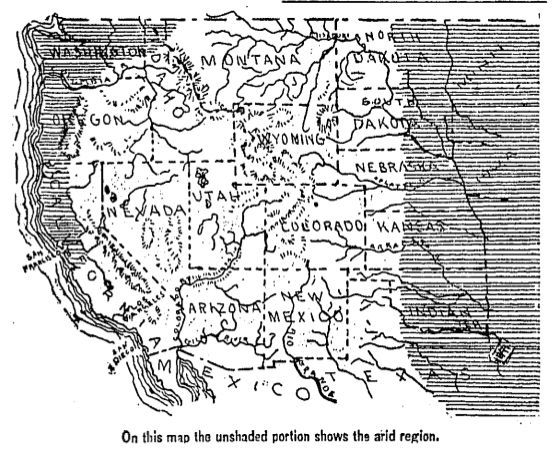
Between 1973 and 1980, the United States experienced the most intense and widespread wave of cattle mutilations in the phenomenon's history. Beginning with scattered reports in Kansas and spreading rapidly across the Great Plains and Western states, the wave eventually encompassed reports from at least 15 states, with estimated totals ranging from several hundred to over 10,000 individual incidents (the exact number is disputed because many ranchers did not report losses to authorities). The wave peaked in 1975-1976, when Colorado, New Mexico, and Nebraska were particularly affected.
During this period, the phenomenon generated unprecedented media coverage, multiple state-level investigations, FBI involvement, congressional inquiries, and ATF investigations. The sheer volume and geographic scope of the 1973-1980 wave made it impossible to dismiss as isolated incidents or the work of individual pranksters. The wave subsided in the early 1980s, possibly influenced by the FBI's 1980 conclusion attributing the phenomenon to natural causes, but it did not end entirely — reports continued at a reduced rate through subsequent decades and continue to the present day.