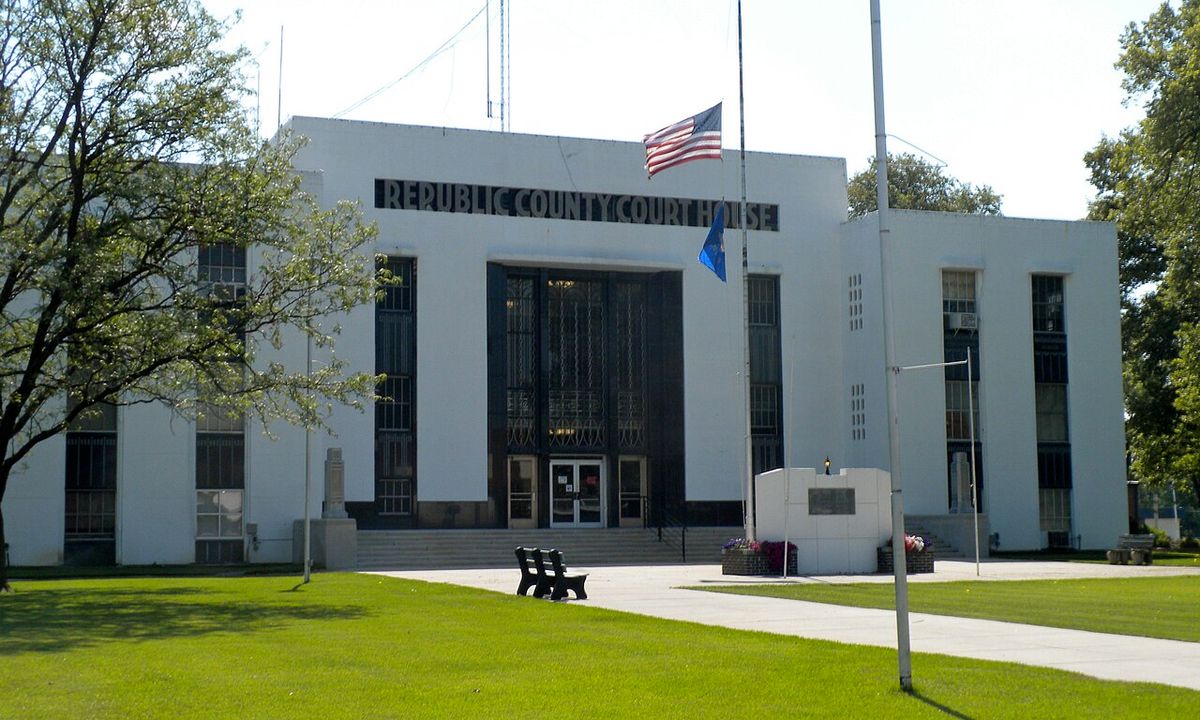
In the fall of 1973, Kansas experienced its first major wave of cattle mutilations, centered around the small towns of the north-central part of the state. Ranchers in Republic, Cloud, and Mitchell counties began reporting cattle found dead with organs removed, apparently through surgical incisions. The mutilations followed a consistent pattern: eyes, tongue, ears, and reproductive organs removed; circular patches of hide excised; absence of blood; and no tracks, footprints, or drag marks in the surrounding area.
The 1973 Kansas wave coincided with a national flap of UFO sightings, and many ranchers reported seeing unusual lights in the sky in the days before discovering mutilated animals. Local law enforcement was overwhelmed by reports, and the Kansas Bureau of Investigation was called in. The investigation found no evidence linking the mutilations to human activity but also could not explain the precision of the incisions or the absence of blood. Veterinarians who examined the carcasses were divided: some attributed the damage to scavengers and decomposition, while others maintained the incisions were too precise and selective to be the work of natural predators.
The 1973 wave established Kansas as one of the primary hotspots for cattle mutilation reports and set the pattern for future waves across the Great Plains.