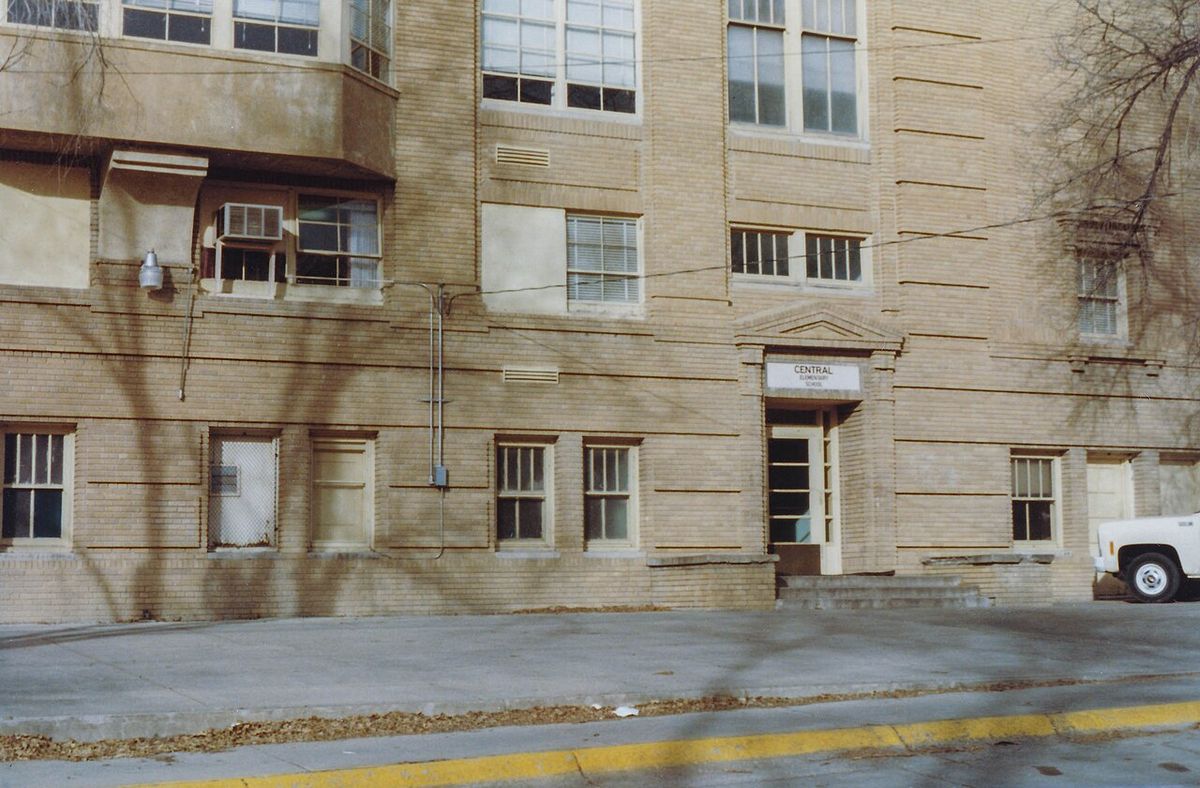
In 1974, Nebraska experienced one of the most intense and geographically concentrated waves of cattle mutilations in the phenomenon's history. Ranchers across central and western Nebraska reported finding cattle dead with the characteristic injuries: surgical-quality excisions of soft tissue, no blood at the scene, and no evidence of predator activity. Mills County and surrounding areas were particularly affected, with reports coming in at a rate of several per week during the peak months.
The Nebraska wave was notable for the high quality of investigation it received — local law enforcement, the Nebraska State Patrol, and veterinary pathologists all examined carcasses in the field. Some investigators reported finding evidence that contradicted the natural predation explanation: incisions that appeared to have been made with sharp instruments rather than teeth, tissue removal that followed geometric patterns inconsistent with scavenger feeding, and a complete absence of insect activity on fresh carcasses (normally, blowflies colonize a dead animal within hours). The 1974 Nebraska wave generated extensive media coverage and prompted the first calls for federal investigation of the phenomenon.