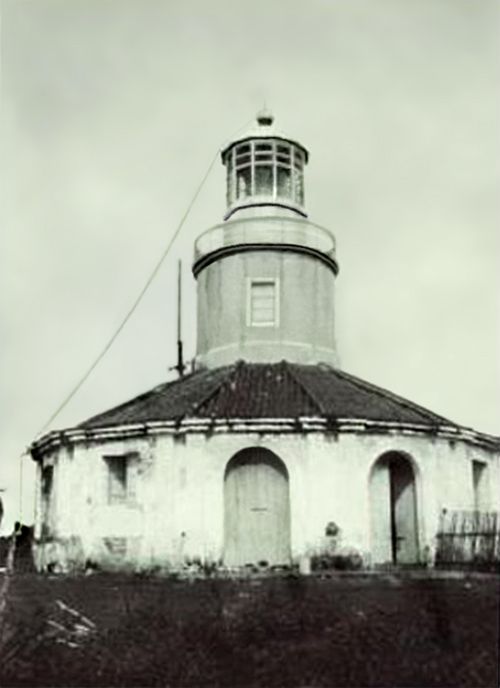
Corregidor Island, the fortified rock at the mouth of Manila Bay, is the most haunted military site in Southeast Asia. The island served as the last bastion of American and Filipino defense during the Japanese invasion of 1942, and again as a fiercely contested objective during the liberation campaign of 1945. The battles that raged across its surface and through its tunnels left thousands dead — American, Filipino, and Japanese — and their spirits have made Corregidor a place where the war has never truly ended.
The Malinta Tunnel, a massive underground complex bored through the island's central hill, is the epicenter of the hauntings. Originally built as a bomb-proof storage facility, the tunnel was converted into a hospital during the siege of Corregidor, where wounded American and Filipino soldiers were treated under constant bombardment. The conditions inside were nightmarish — overcrowded, suffocating, with the wounded and dying laid out in lateral tunnels while explosions shook dust from the ceiling.
Visitors to the Malinta Tunnel today report hearing the sounds of the hospital: moans, groans, and cries echoing from within the rock walls, as if the wounded soldiers were still lying in the laterals. Shadows move across the tunnel floor with no corresponding source. Sudden drafts of cold air sweep through passages that have no ventilation. Temperature drops of ten degrees or more occur in localized spots, and they follow no pattern that climate or airflow can explain.
Above ground, the ruins of the island's fortifications generate their own encounters. Phantom platoons — groups of soldiers in World War II uniforms — have been seen marching across the parade ground and through the bombed-out barracks. White ladies appear at the windows of roofless buildings. Disembodied voices speaking English and Japanese have been recorded by visitors and tour guides. The island's cemetery, where the remains of those who could be identified were interred, is active after sunset with the kind of apparitions that guards describe as routine.
Corregidor is a national shrine, and thousands of tourists visit annually. Many come for the history; some come for the ghosts. The island accommodates both interests without distinction, because on Corregidor, history and haunting are the same thing.