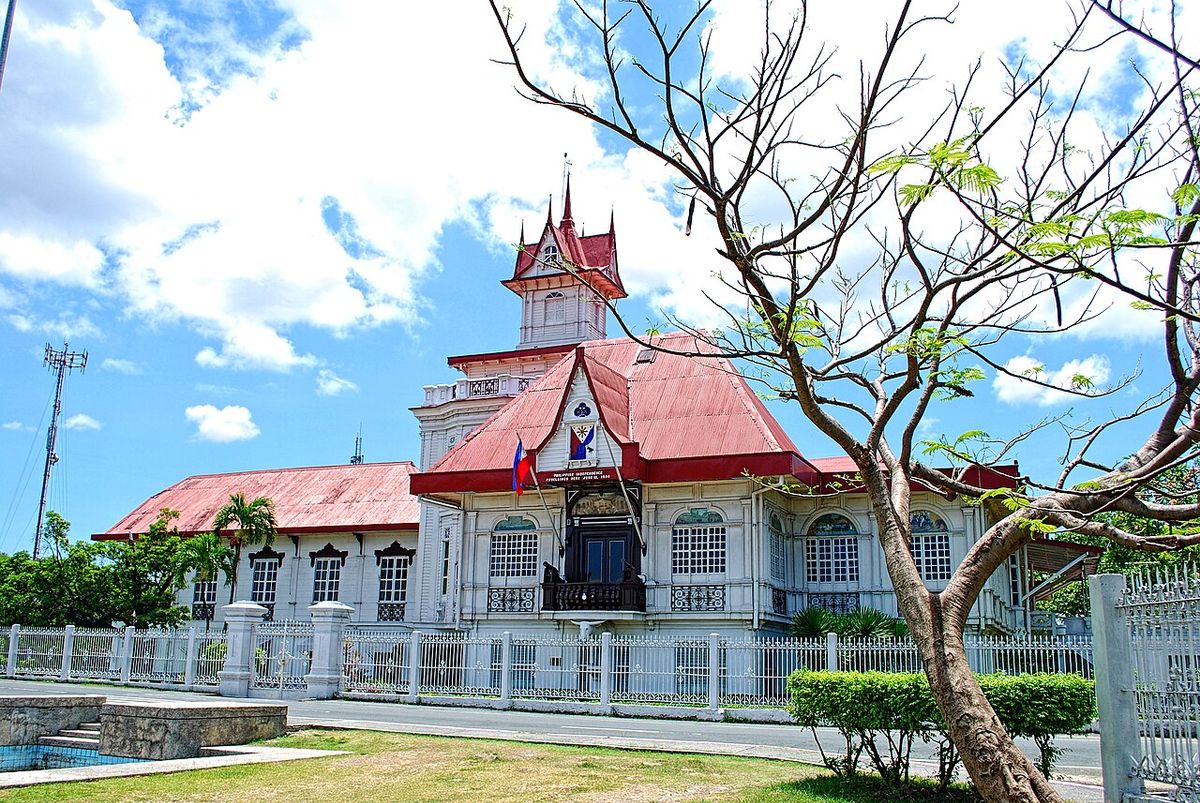
The Aguinaldo Shrine in Kawit, Cavite — the ancestral home of Emilio Aguinaldo, the first president of the Philippines and the leader of the revolution against Spain — contains a supernatural arrangement that reveals a surprising dimension of the revolutionary president's beliefs: Aguinaldo is said to have allowed a kapre to live at the back of the house in exchange for the creature's protection.
The kapre, in Filipino mythology, is a towering, dark-skinned, cigar-smoking tree giant who inhabits old trees, particularly balete and acacia. Kapres are territorial, powerful, and capable of both mischief and violence, but they can also form relationships with humans who treat them with respect. The kapre of the Aguinaldo Shrine is said to dwell in a large tree at the rear of the property, and the arrangement between Aguinaldo and the spirit was reportedly one of mutual benefit: the kapre protected the household, and Aguinaldo allowed the creature to remain undisturbed.
The story reflects the syncretic spiritual worldview that was common among Filipino elites during the late 19th and early 20th centuries. Aguinaldo was a Catholic who also practiced elements of folk religion, and the idea that a revolutionary leader and president would negotiate a supernatural protection agreement with an engkanto-class being is consistent with the broader Philippine tradition of maintaining respectful relationships with the spirit world.
The Aguinaldo Shrine is the site where Philippine independence was declared on June 12, 1898, and it functions today as a national museum. The kapre, if it remains in residence, has witnessed the most significant moment in Philippine history from the backyard — the declaration of the first republic in Asia, issued from the balcony of a house where the president's supernatural bodyguard smoked its cigar in the tree behind the crowd.