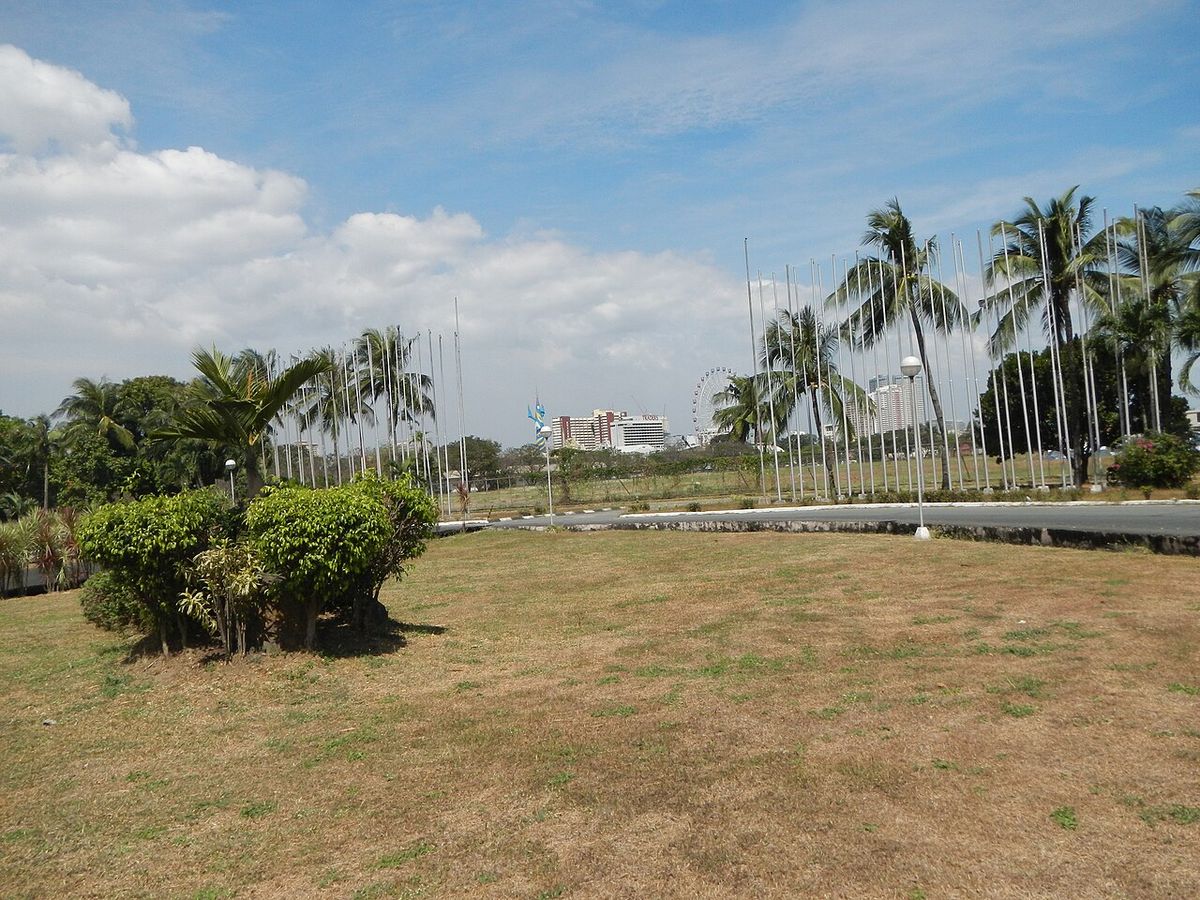
The Manila Film Center is the Philippines' most notorious haunted building — a structure built on a foundation of human bodies, whose construction was so rushed and so callous that the dead were sealed inside its walls rather than recovered, and whose ghosts began appearing to the living before the building was even finished.
On November 17, 1981, during the frantic construction of the film center in time for the first Manila International Film Festival, the scaffolding supporting the fourth floor collapsed. Workers plunged into the wet, quick-drying cement below. Some died on impact; others were trapped alive in the hardening concrete. Project supervisor Betty Benitez, under orders from First Lady Imelda Marcos to meet the festival deadline, made the decision that would define the building's legacy: she ordered construction to continue without retrieving the bodies. The dead and dying workers were entombed in the cement that became the building's foundation.
The haunting began immediately. Workers who returned to the construction site the next day reported seeing their dead colleagues standing at the work areas where they had been stationed, still in their work clothes, watching the construction continue over their remains. The apparitions were so vivid and so frequent that workers refused to continue without prayers and rituals being performed.
When the Manila International Film Festival opened on January 18, 1982, the building's supernatural reputation preceded it. Usherettes invited for opening night reported feeling cold presences in the backstage areas and smelling a mysterious, sickly odor that they could not identify but that was consistent with the smell of decomposition. Betty Benitez herself died in a car accident months later — a death that believers attributed to the curse of the workers she had buried alive.
The film center was subsequently abandoned, its reputation making commercial use untenable. It has since been occupied by the Amazing Philippine Theatre Company, which performs in a building that the performers know contains the remains of the men who built it — artists performing over the graves of laborers, in a theater that was born from a crime that was never prosecuted.