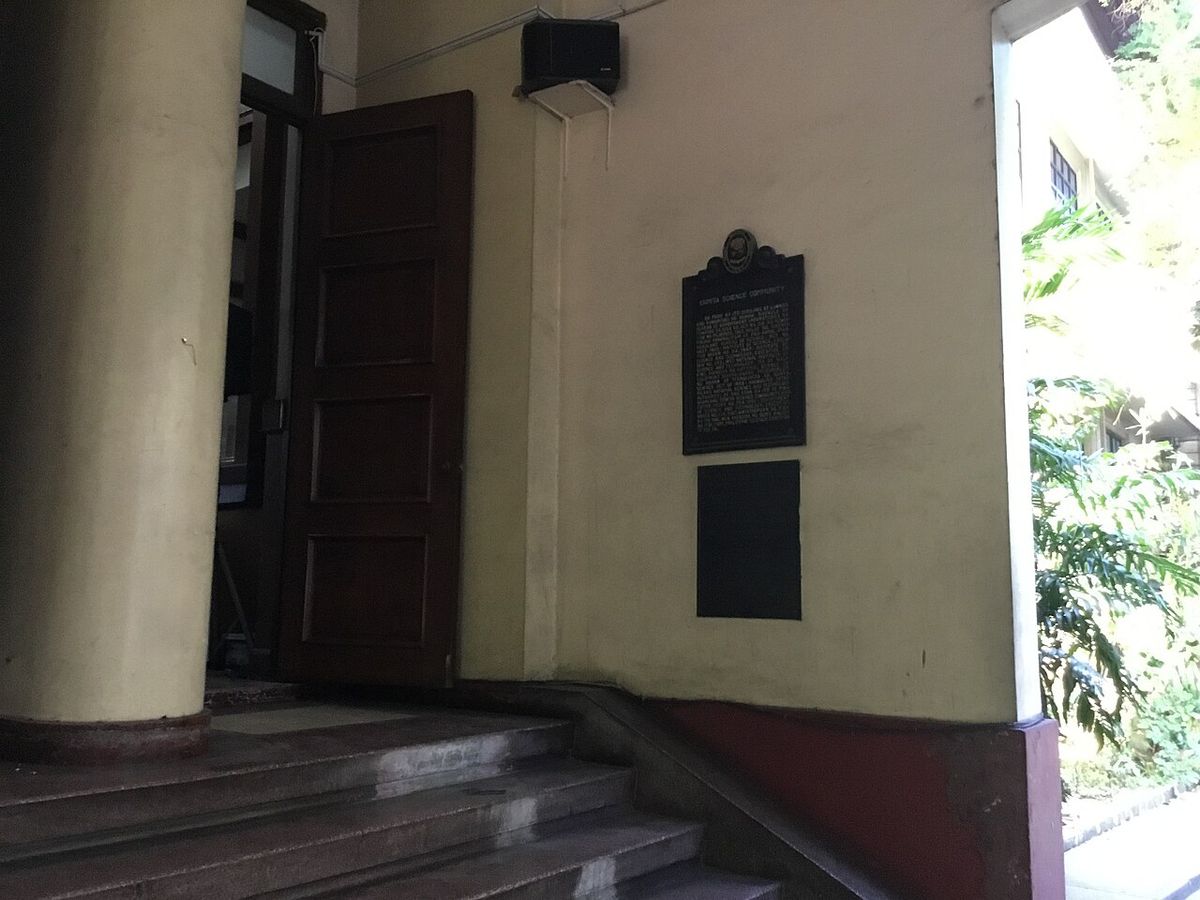
The University of the Philippines Manila campus and the adjacent Philippine General Hospital (PGH) form a continuous zone of supernatural activity rooted in both academic tragedy and the daily proximity to death that defines a working hospital.
The most well-known haunting at UP Manila centers on the Andres Bonifacio Building, where a janitor who took his own life continues to be encountered by students and staff. The circumstances of the suicide have been preserved in campus oral tradition, and the janitor's spirit is reported in the building during the hours when he would have been performing his duties — late evening and early morning, when the corridors are empty and the cleaning would have been done. Witnesses describe seeing a man in custodial clothing mopping floors, emptying trash bins, or walking the corridors with the deliberate pace of someone performing routine work. He does not acknowledge the living and disappears when directly confronted.
The Philippine General Hospital, the country's largest government hospital and one of its busiest, generates its own persistent supernatural activity. PGH treats thousands of patients annually, and a significant number die within its walls — from trauma, disease, surgical complications, and the grinding poverty that brings patients to a public hospital only when their condition has become critical. The concentration of death within a single facility creates an environment where ghostly encounters are reported with almost clinical regularity.
Hospital staff describe seeing patients in hospital gowns walking the corridors at hours when all patients should be in bed, only to discover that the individual they saw matches the description of someone who died in the ward earlier that day or week. Night-shift nurses report call lights activating in rooms where the patient has already been moved to the morgue. The elevator, as in many hospital hauntings, operates on its own — traveling to floors without being summoned and opening its doors to empty corridors.