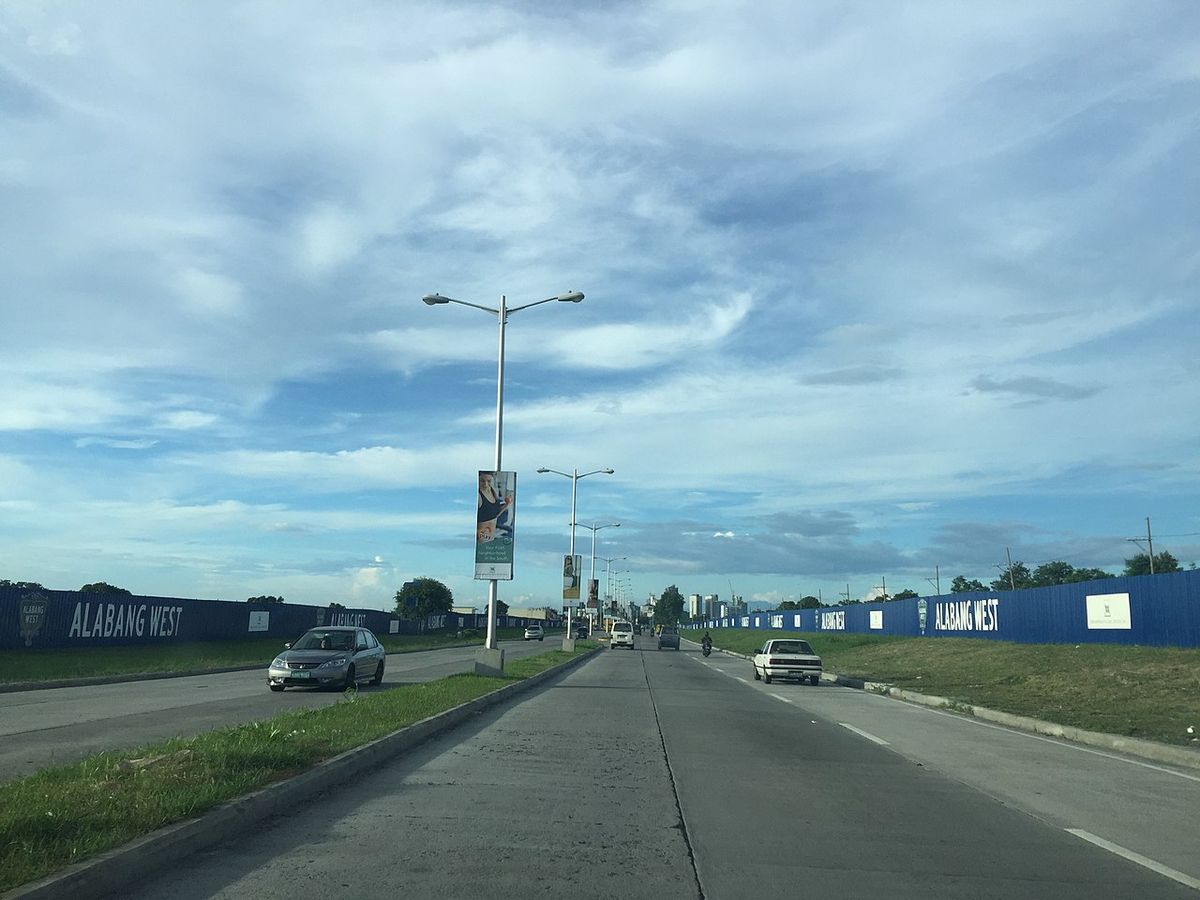
Daang Hari, the major highway connecting Las Piñas, Muntinlupa, and Cavite in southern Metro Manila, was haunted before it was developed — when the road was unlit and largely uninhabited, it served as a dumping ground for the bodies of murder victims, and the spirits of those discarded dead have remained even as the highway has been widened, illuminated, and surrounded by development.
During the years when Daang Hari was a dark, isolated road cutting through undeveloped land, criminal elements used its shoulders and adjacent lots as disposal sites for victims of drug killings, gang violence, and other extrajudicial acts. Bodies were left in the ditches, in the overgrown lots beside the road, and in the vegetation that bordered the unlit highway. Many were never identified.
The subsequent development of the area — the widening of the highway, the construction of residential subdivisions, the installation of street lighting — transformed Daang Hari from a murder dumping ground into a busy commercial corridor. But the spirits of the murder victims, according to motorists and residents of the newer developments, have not been displaced by the construction. They remain at the roadside, standing in the locations where their bodies were left, visible to drivers who pass at night.
The apparitions are described as human figures standing motionless at the road's edge, visible in the peripheral sweep of headlights. Some are described as looking directly at passing vehicles, their faces visible just long enough to register an expression — usually blank, sometimes accusatory — before the car passes and the figure is lost in the darkness behind.
Daang Hari's haunting is a product of the Philippines' ongoing struggle with extrajudicial violence. The ghosts are not relics of a historical period that has ended — they are the contemporary dead, victims of crimes that continue to occur, and their presence on a now-busy highway serves as an accusation that the living cannot entirely ignore.