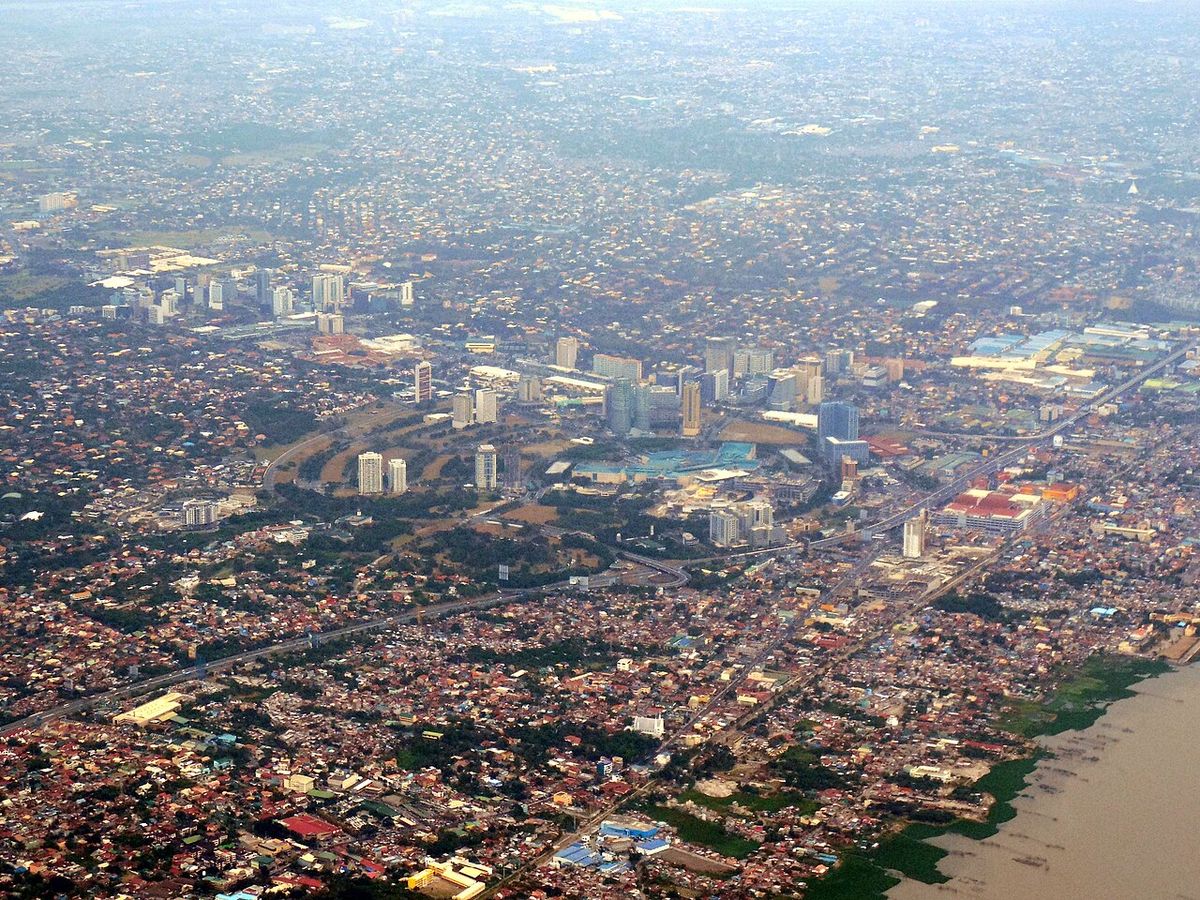
Starmall Alabang in Muntinlupa City was built on ground that was never meant for the living. The shopping mall was constructed on the former site of the Alabang Cemetery, and despite the removal of the physical graves, the spiritual residents of the old burial ground appear to have remained — particularly in the mall's cinema theaters, where moviegoers reported encounters that no special effects department could produce.
The theater hauntings followed a pattern common to Philippine "mall ghost" stories but with a frequency that set Starmall apart. Audience members described seeing figures seated in adjacent seats who disappeared when the houselights came up. Others felt the unmistakable sensation of someone sitting down next to them in an empty row, accompanied by a sudden drop in temperature. Projection staff reported equipment malfunctions during late-night screenings that could not be explained by technical issues — projectors stopping mid-film, audio cutting to static, emergency exits opening on their own.
The Filipino practice of resettling the dead — relocating remains from old cemeteries to make way for development — is a source of persistent supernatural anxiety. In Filipino Catholic and folk-religious belief, the dead must be moved with proper ceremony, with prayers for each set of remains, and with the consent of the spirits being displaced. When development moves too quickly or the rituals are incomplete, the displaced dead are believed to remain at their original burial site, occupying the new structures built over their graves.
Starmall Alabang burned in a fire in 2022, and the site has since been rebuilt as The Terminal, now managed by Vista Malls. Whether the renovation and rebranding have quieted the cemetery spirits remains to be seen. The ground beneath the new structure is the same ground that held the dead of Alabang, and in the Filipino supernatural framework, concrete and commerce are thin barriers against the claims of those who were there first.