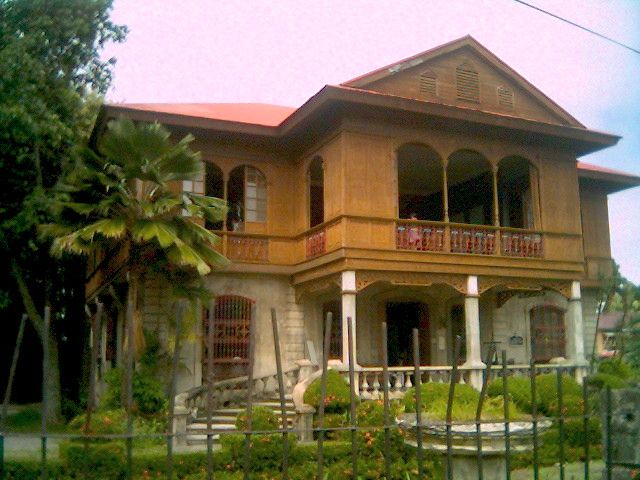
Balay Negrense in Silay City, Negros Occidental — also known as the Victor Gaston Ancestral House — is a museum showcasing the lifestyle of a late-19th-century sugar baron, and its most distinctive haunting arrives not on foot but on wheels. Visitors and neighbors report hearing the sounds of a kalesa — a horse-drawn carriage — arriving at the back of the house at night: the clip-clop of hooves, the creak of wooden wheels, and the jingle of harness fittings, all emanating from an era when the kalesa was the primary conveyance of wealthy Filipino families.
The house was built during the golden age of Negros Occidental's sugar industry, when hacienda families like the Gastons commanded vast agricultural estates and lived in a style that rivaled the landed gentry of any colonial society. The kalesa was the symbol of that lifestyle — the vehicle that carried the sugar baron to his fields, his wife to mass, and his children to school. Hearing a phantom kalesa arrive at Balay Negrense is, in effect, hearing the sugar baron come home.
Other paranormal activities reported by museum visitors include cold spots in rooms that should be warm in the tropical climate, the sensation of being watched from the upper floor, and the faint smell of perfume in areas where no fragrance has been applied. The house's preserved furnishings — original furniture, clothing, and personal effects of the Gaston family — create an environment where the past is physically present, and the step between observing antique objects and sensing their original owners is shorter than in a modern building.
Silay City is known as the "Paris of Negros" for its concentration of well-preserved ancestral houses, and Balay Negrense is the most prominent of these heritage structures. The phantom kalesa, arriving nightly at the back of the house, is a fitting ghost for a museum dedicated to preserving the world of the sugar aristocracy — the sound of wealth returning to a house that remembers what it was.