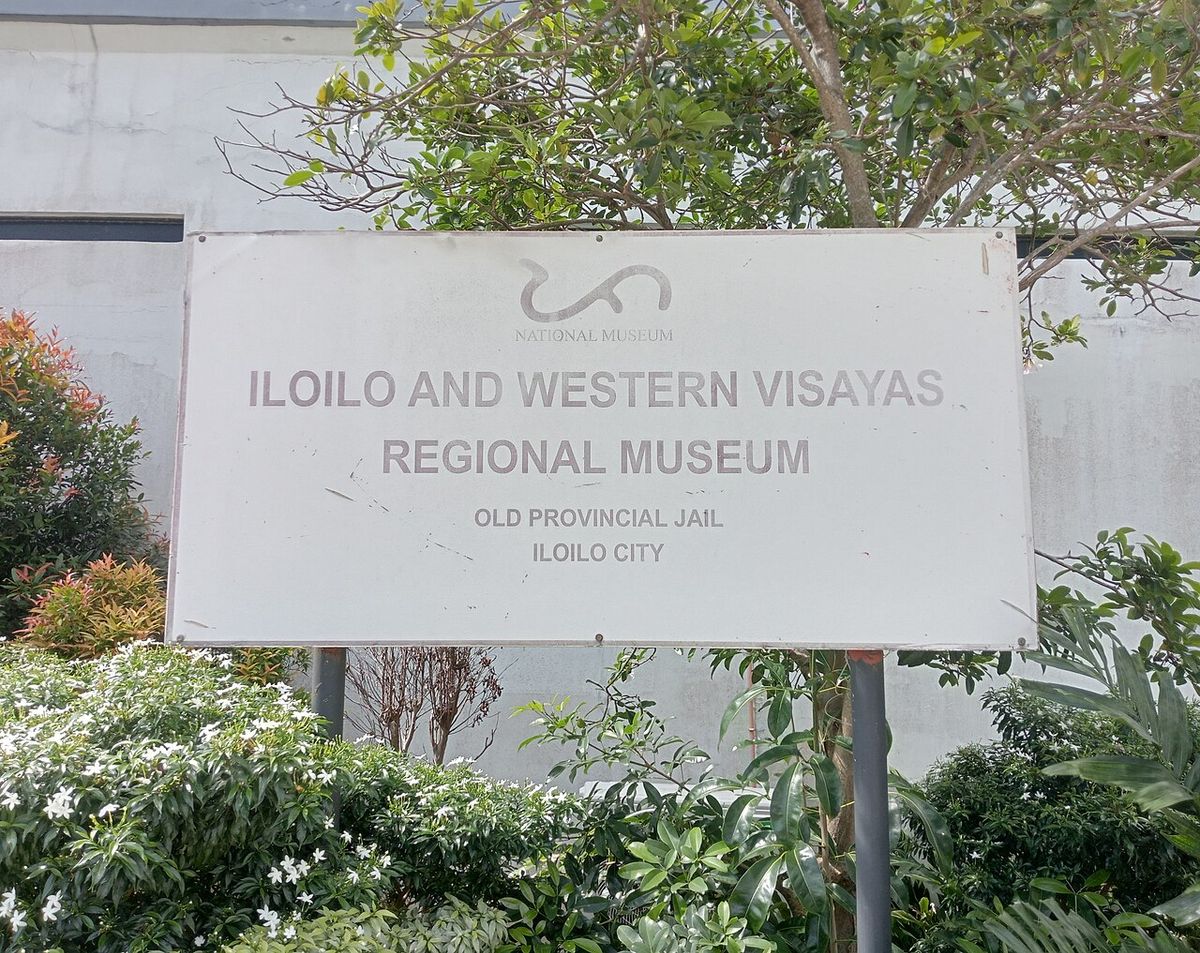
The National Museum Western Visayas in Iloilo City occupies a building with a century of suffering embedded in its walls: the former Iloilo Rehabilitation Center, a prison built in 1911 to hold a thousand inmates. The conversion from penitentiary to museum has changed the building's purpose but not its spiritual population — the ghosts of prisoners, and of at least one murdered warden, continue to occupy the spaces where they lived and died.
The museum's most intense haunting zones correspond to the building's most punitive spaces. The former solitary confinement cells, now converted into gallery rooms, generate consistent reports of oppressive atmospheres, phantom sounds of breathing and muttering from within the walls, and sudden drops in temperature. The courtyard, where prisoners once exercised and where violence between inmates was common, produces the sensation of being surrounded by a crowd despite the space being empty.
The most specific haunting involves the ghost of a jail warden who was killed during a prison escape attempt. The warden was smoking a cigarette near the entrance when the break occurred, and he was murdered by the escaping prisoners. At the exact spot where he died — near the museum's current entrance — phantom cigarette smoke is reported. Visitors and staff describe the distinct smell of burning tobacco in an area where no one is smoking, sometimes accompanied by a brief visual impression of a glowing cigarette ember at about waist height, as if someone seated or crouched is smoking in the darkness.
The museum, which showcases the cultural and natural heritage of the Western Visayas region, draws visitors who come for its archaeological artifacts, ethnographic collections, and art exhibitions. Many are unaware that the elegant gallery spaces were once cells, and that the peaceful museum courtyard was once a prison yard. The building's dual identity — cultural institution and haunted penitentiary — creates encounters that are all the more startling for being unexpected.