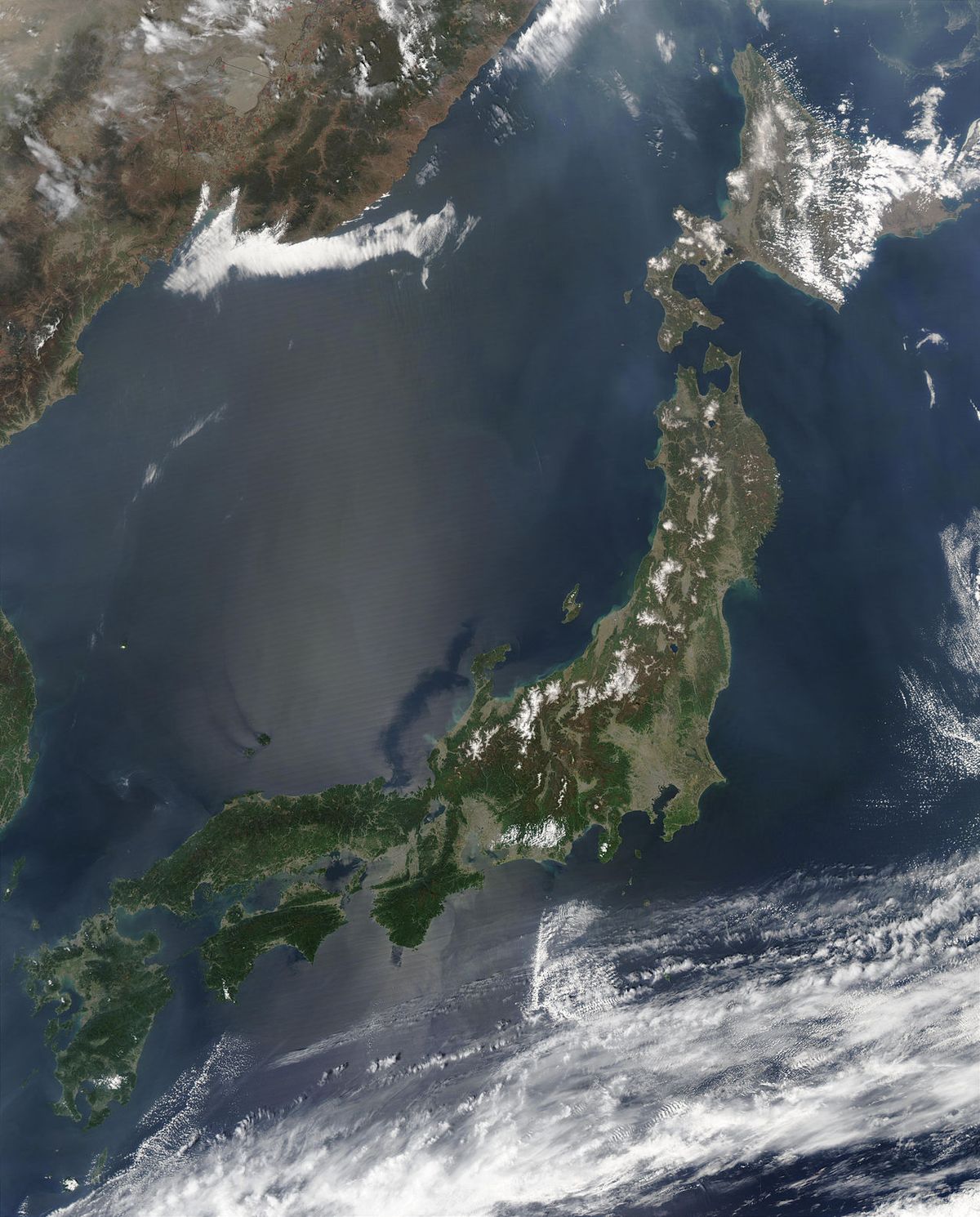
Project Blue Book Case #1130. On April 18, 1952, U.S. military personnel in Japan observed an unidentified aerial object that could not be identified as any known aircraft type. The sighting occurred during the Korean War, when Japan served as the primary rear-area base for U.N. forces engaged in combat on the Korean Peninsula.
Japan in 1952 was saturated with American military facilities. Major Air Force bases at Yokota, Misawa, Itazuke, and Johnson hosted fighter, bomber, and transport units supporting Korean War operations. Naval facilities at Yokosuka and Sasebo provided fleet support. The dense concentration of military aviation meant that the skies over Japan were extraordinarily busy with aircraft of all types — yet this object matched none of them.
The Korean War context added urgency to any unidentified aerial contact in the Pacific theater. Soviet, Chinese, and North Korean aircraft were active threats, and the possibility of enemy reconnaissance over Japanese bases was a constant concern. Any object that could not be quickly identified against the known air traffic picture demanded investigation.
April 1952 was several months before the great summer wave that would dominate Blue Book's attention, but reports were already increasing worldwide. The Pacific theater contributed a steady stream of cases throughout 1952, many from military personnel with combat experience and aerial observation training.
Blue Book investigators coordinated with Far East Air Forces intelligence to check all friendly aircraft movements. No identification could be made. The case was classified "Unknown."