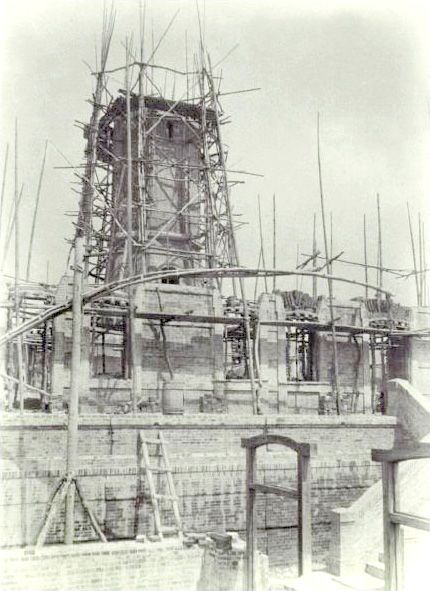
Cape Bojeador Lighthouse in the municipality of Burgos, Ilocos Norte, stands on a windswept promontory overlooking the South China Sea — the highest lighthouse in the Philippines and one of the oldest, completed by the Spanish colonial government in 1892. Its construction came at a human cost that, according to local tradition, has never been fully settled between the living and the dead.
Local historian Pepito Alvarez documented that multiple construction workers died during the building of the lighthouse, victims of the site's extreme geography. The cape is a rugged headland battered by strong winds and difficult to access, and the labor of hauling stone and materials up the steep terrain in the late 19th century, without modern equipment, proved fatal for several workers. Their bodies were buried near the construction site, their graves now lost to time and vegetation.
Visitors and lighthouse keepers have reported seeing a figure among the ruins of the old keeper's quarters adjacent to the tower — a bearded man dressed in what witnesses describe as Spanish colonial-era clothing. He is seen most often at twilight, standing at the base of the tower or walking along the path that winds up to the light, and he disappears when directly addressed. His bearing has been described as supervisory rather than mournful — as if he is inspecting the work, ensuring the lighthouse still stands as he intended.
Some believe the figure is the ghost of the Spanish engineer who oversaw the lighthouse's construction, still bound to his greatest project. Others suggest he may be one of the workers who died during building, finally completing in death the ascent to the top of the cape that killed him in life. The lighthouse, now a National Cultural Treasure, continues to operate as an active navigational aid — and the bearded Spaniard, whoever he was, continues to walk its grounds.