In the barangay of Banban, in the municipality of Bangui at the northernmost tip of Ilocos Norte, the ruins of a Spanish-era church stand as a crumbling monument to colonial Catholicism — and as the dwelling place of headless priests who are heard and seen among the fallen stones.
The church, like hundreds of others built throughout the Philippines during the Spanish colonial period, served as the spiritual center of the community and as a symbol of colonial authority. Its current state of ruin reflects the fate of many such structures in the remote northern reaches of Luzon, where earthquakes, typhoons, and the simple passage of centuries have reduced once-grand churches to roofless walls and shattered altars.
The headless priests who haunt the Banban ruins are reported by barangay residents who pass near the site after dark. The apparitions appear in the vestments of Spanish-era Catholic clergy — cassocks and birettas — walking among the ruins as if still performing their liturgical duties. Their most distinctive and disturbing feature is the absence of their heads, which some interpret as evidence of violent death — possibly during the anti-clerical uprisings that periodically swept through Ilocos during the colonial period, or during the Philippine Revolution of 1896-1898.
Unexplained sounds accompany the visual apparitions: the murmur of Latin prayers, the creak of a church door that no longer exists, and a low, rhythmic chanting that rises and falls like the cadences of a mass. These sounds are reported even by witnesses who do not see the headless figures, suggesting that the church's spiritual life continues in an auditory dimension even when the visual manifestations are absent.
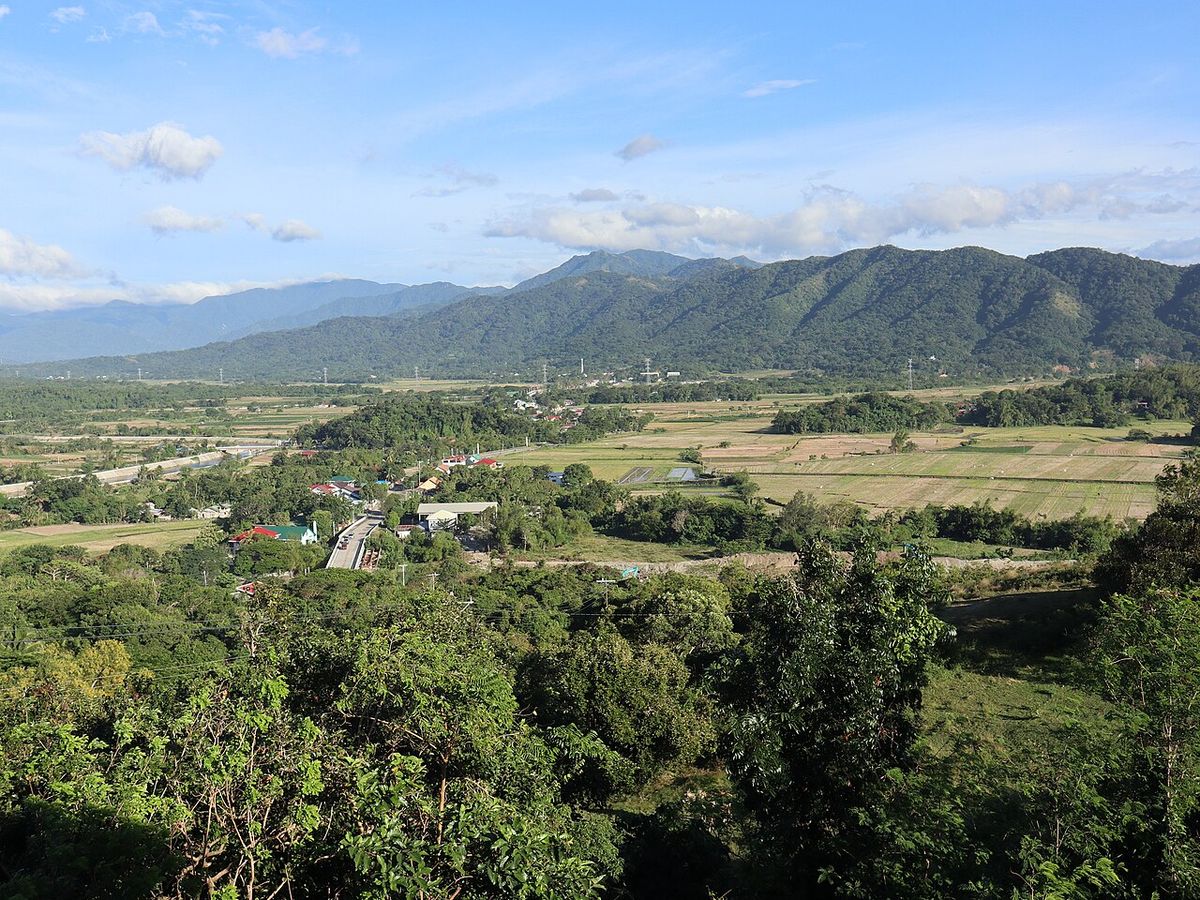
The Banban ruins sit in the windswept landscape of northernmost Luzon, where the Cordillera mountains meet the South China Sea and the land feels like the edge of the known world. The headless priests, performing their rituals in a church that time has taken from them, represent the persistence of faith — or of obligation — beyond death and beyond the physical destruction of the space where that faith was practiced.