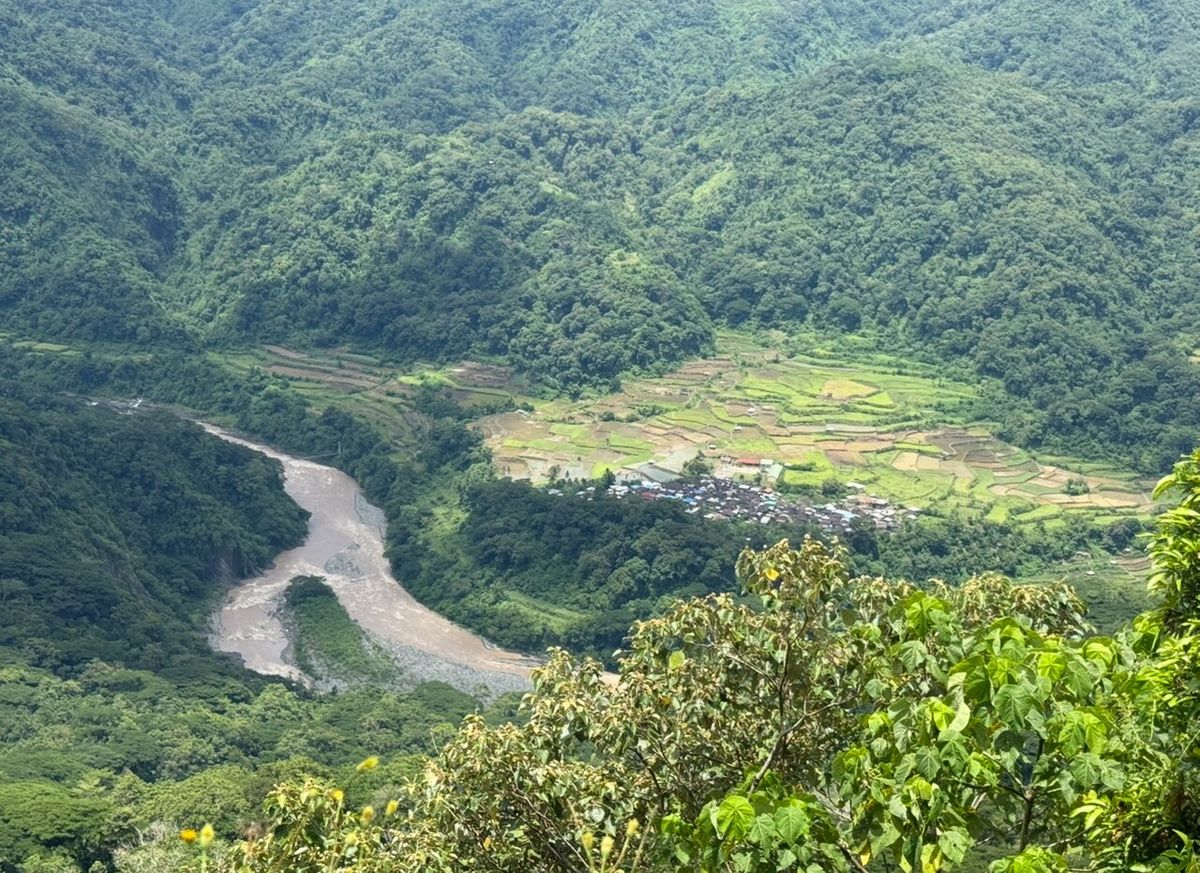
Mount Kechangon in the municipality of Lubuagan, Kalinga province, is home to a class of guardian spirits known to the indigenous Kalinga people as the Tinakchi — entities unique to the Cordilleran highlands of northern Luzon that bear little resemblance to the lowland Filipino supernatural beings more commonly documented. The Tinakchi are territorial mountain spirits who guard the sacred spaces of Kechangon and enforce their own inscrutable laws on anyone who enters their domain.
The phenomena associated with the Tinakchi are more unsettling than typical haunting encounters. Hikers and gatherers who venture into the mountain's higher reaches report hearing voices calling their names from impossible directions — behind them on a path with no one in sight, from above them in the canopy, from inside the rock face itself. Unexplained noises — rhythmic drumming, the crack of breaking branches in sequence, whistling that moves in circles around a listener — are common and often precede more dramatic events.
The most extraordinary reports involve spatial displacement. Individuals who have entered certain areas of Mount Kechangon describe emerging hours or days later in locations miles from where they began, with no memory of how they traveled the distance. In some accounts, people have disappeared entirely, returning to their communities after days with no recollection of where they had been, or not returning at all. The Kalinga interpretation is that the Tinakchi have taken them — temporarily or permanently — into the spirit dimension that overlaps with the physical mountain.
The Tinakchi are understood within the Kalinga worldview not as ghosts of the dead but as an entirely separate class of being — the original inhabitants of the mountain who predated human settlement. The Kalinga maintain protocols for entering Tinakchi territory: prayers, offerings of food and betel nut, and strict observation of behavioral taboos. Those who follow the protocols generally pass unmolested; those who don't may find that the mountain itself has turned against them.