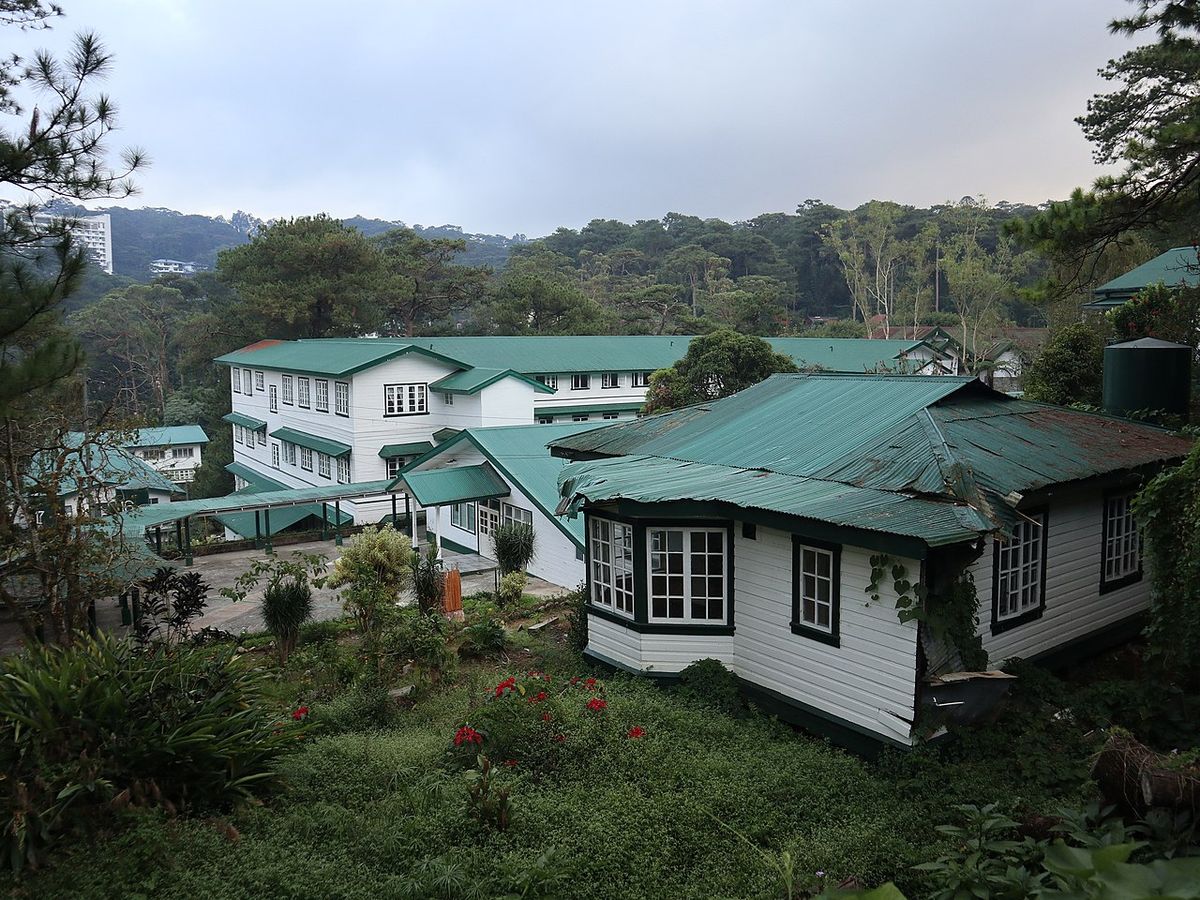
Teacher's Camp in Baguio City — established during the American colonial period as a training site for the Thomasite teachers who built the Philippine public education system — sits on land that carries a history older and more violent than the pedagogical mission it was built to serve. The camp, according to local tradition, was constructed on the site of a battlefield where indigenous Igorot communities fought against colonial encroachment, and the spirits of those who fell in that conflict share the grounds with the educators who came after them.
The Thomasites arrived in the Philippines in 1901, part of an American project to establish English-language public education across the archipelago. Baguio, with its cool mountain climate, was selected as a training and retreat center for teachers from across the country. Teacher's Camp became a hub of professional development, but the land it occupied was not empty — it carried the spiritual weight of pre-colonial and colonial-era violence that the American builders either did not know about or chose to ignore.
Two primary apparitions have been reported at Teacher's Camp across the decades. The first is a crying lady — a female figure seen and heard weeping in the grounds near the older dormitory buildings. Her crying is described as genuine and heartbroken, carrying an emotional weight that witnesses find difficult to ignore or dismiss. She appears most frequently during the quiet hours after the camp's activities have ended for the day, when the mountain fog rolls in and the pine trees that surround the compound create an atmosphere of isolation.
The second apparition is a headless priest — a figure in Catholic vestments walking the grounds without a head. The headless priest is a recurring motif in Philippine hauntings, typically associated with clergy killed during anti-friar violence in the colonial period or during the Philippine Revolution. His presence at Teacher's Camp suggests a connection to the pre-American history of the land, possibly linking to the church's role in colonial expansion and the resistance it provoked among the indigenous Cordilleran peoples.