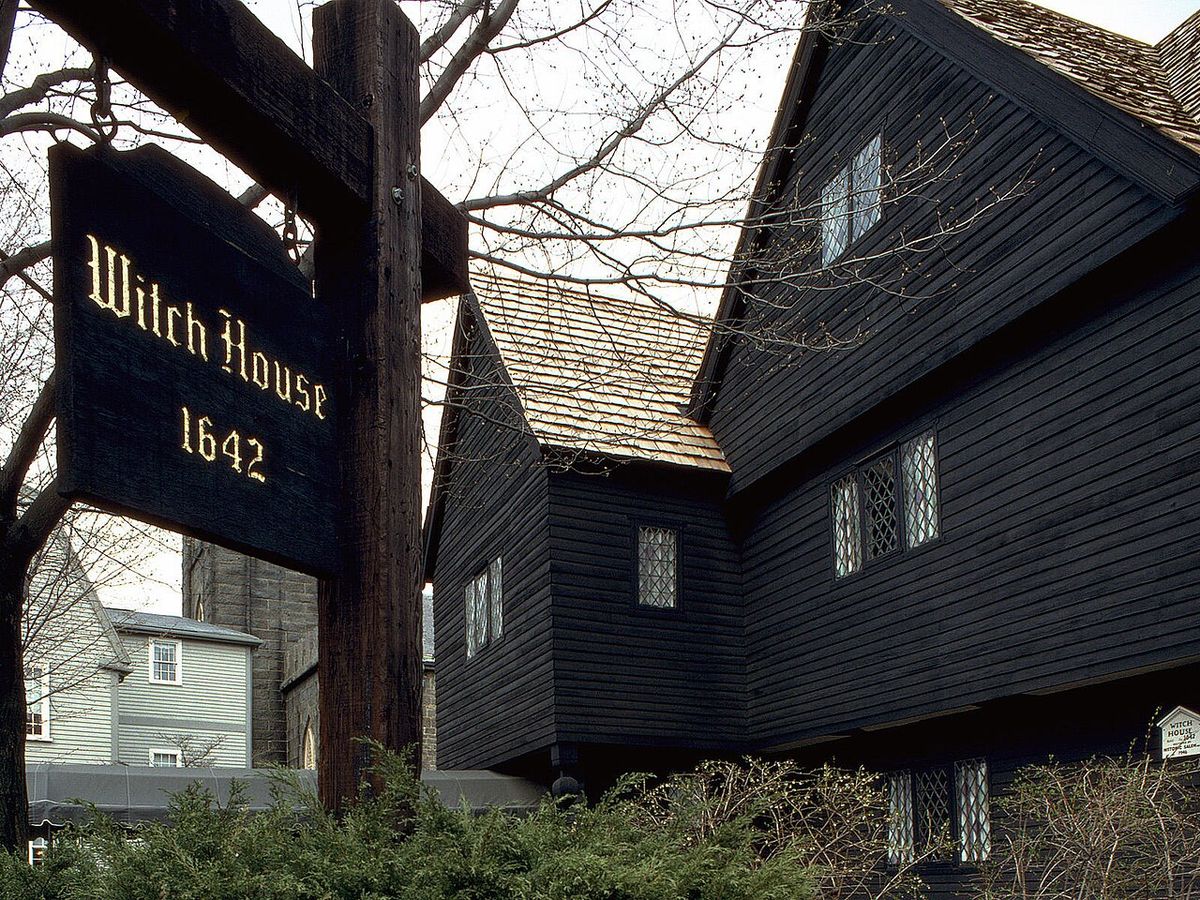
The Salem witch trials of 1692 are the most notorious episode of witch persecution in American history and one of the best-documented mass hysterias in the historical record. Beginning in February 1692, when a group of young girls in Salem Village, Massachusetts Bay Colony began experiencing fits, contortions, and screaming episodes they attributed to being tormented by the specters of local women, the crisis escalated over the next nine months into a colony-wide panic. Before it ended, more than 200 people had been accused of witchcraft, 30 were found guilty, 19 were executed by hanging, and one — Giles Corey — was pressed to death with heavy stones for refusing to enter a plea.
The accused ranged from marginalized elderly women to prominent citizens, including a former minister. Governor William Phips established a special Court of Oyer and Terminer to hear the cases, which controversially accepted 'spectral evidence' — testimony that the accused's spectral form appeared to afflict the witness. When accusations began reaching the governor's own wife, Phips dissolved the court and the remaining accused were released.
The trials have since become a powerful symbol of the dangers of religious extremism, false accusations, and the breakdown of due process.