Fairy forts — the ring-shaped earthen banks of ancient Iron Age homesteads scattered across the Irish landscape — are among the most powerful symbols of Ireland's living folklore. Numbering over 40,000, these structures are locally known as 'raths' or 'lios' and are widely believed to be the dwelling places of the Sídhe (the fairy folk or 'people of the mounds'). Disturbing a fairy fort is considered extraordinarily dangerous in Irish tradition, bringing illness, bad luck, or death upon the offender. This belief is so deeply held that fairy forts remain largely undisturbed even in modern Ireland — farmers plow around them, developers reroute roads, and the National Monuments Acts provide legal protection for many sites. In 1999, the planned route of a motorway in County Clare was controversially altered to avoid disturbing a fairy bush (a hawthorn growing on a fairy fort). Stories of misfortune befalling those who destroyed fairy forts are told in every Irish county, and the tradition represents one of the most remarkable survivals of pre-Christian belief in Western Europe.
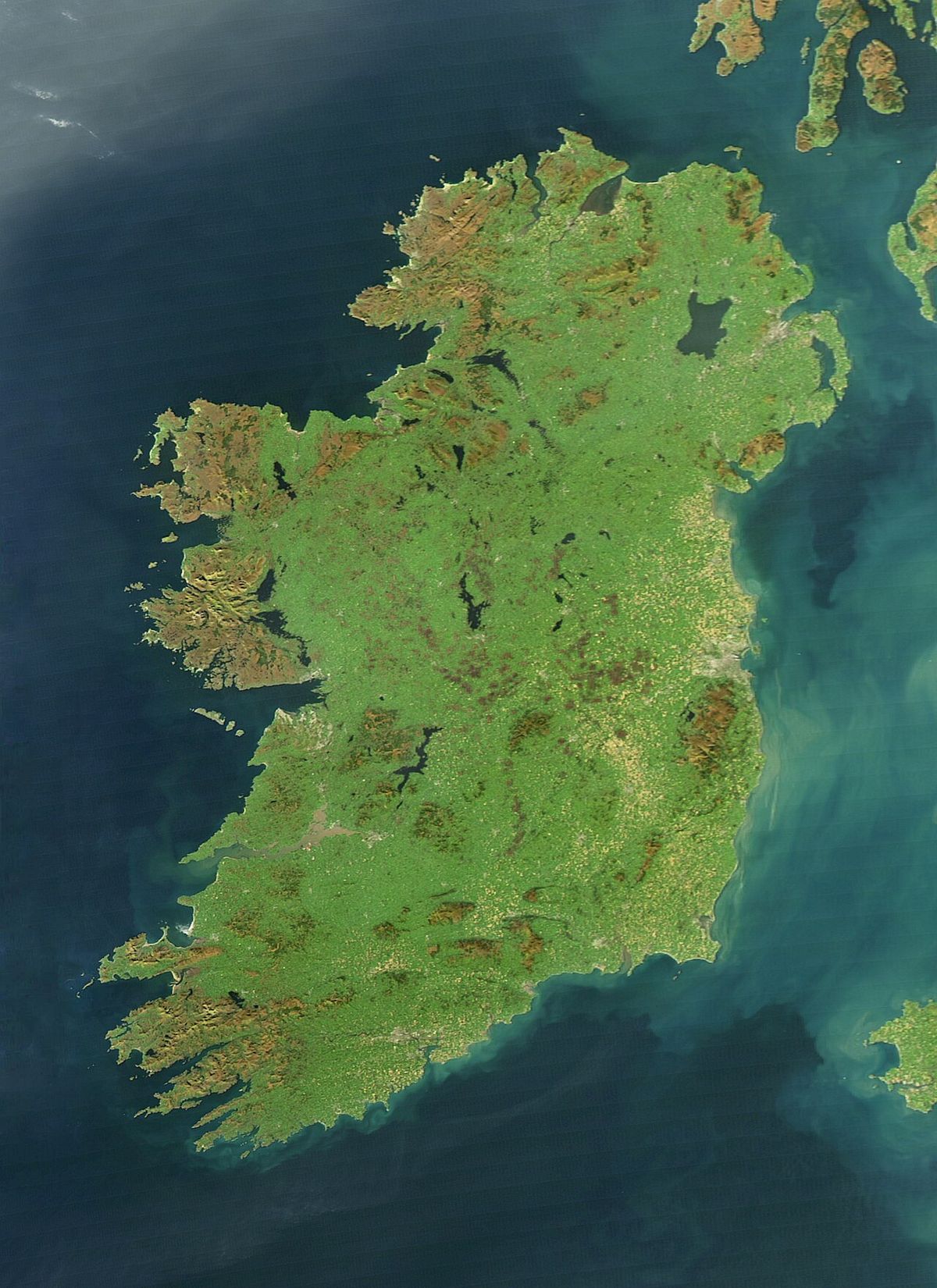
Wikimedia Commons (Public domain) — Jeff Schmaltz
The Sacred Fairy Forts of Ireland — Protected by Law and Tradition
Folklore & LegendsFairy/Fae EncounterUnverified
52.8652°N, 7.9795°W
Location
Ireland
Discussion
Loading comments...