The witch trial phenomenon that swept Europe between the 15th and 18th centuries was inseparable from religious authority and doctrine. The publication of the 'Malleus Maleficarum' (Hammer of Witches) in 1487 by Dominican inquisitors Heinrich Kramer and Jacob Sprenger provided a detailed theological and legal framework for identifying, prosecuting, and executing witches. The text argued that witchcraft was real, that it was heresy, and that its practitioners — overwhelmingly characterized as women — had made pacts with Satan. Both Catholic and Protestant authorities prosecuted witches with equal fervor, as the Reformation and Counter-Reformation created an atmosphere of intense religious competition in which demonstrating zeal against the Devil's servants became a marker of doctrinal purity. The involvement of church courts, secular courts, and inquisitorial tribunals varied by region, creating a patchwork of prosecution that made the witch trial era one of the most complex and devastating episodes of judicial killing in European history. An estimated 40,000 to 60,000 people were executed for witchcraft across Europe between 1400 and 1782.
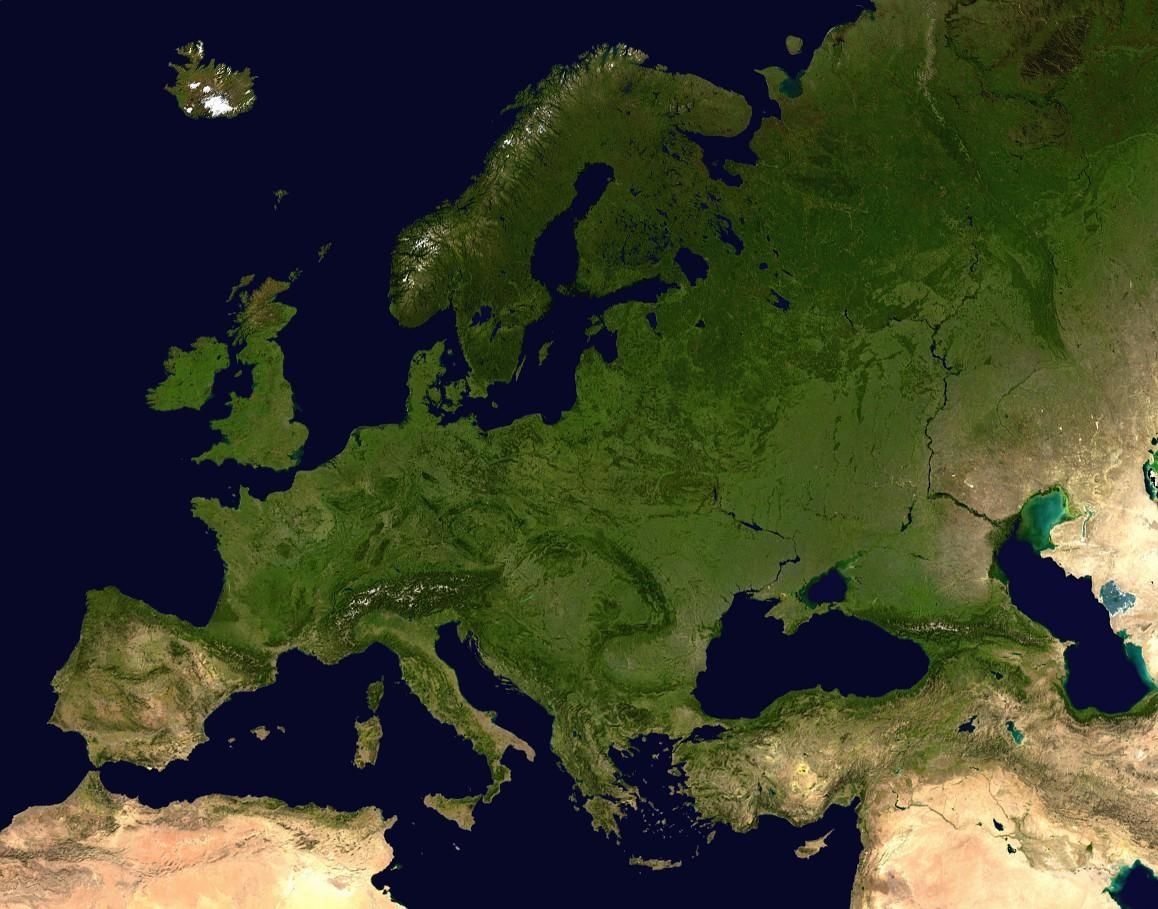
Wikimedia Commons (Public domain) — Unknown
The Role of Religious Authority in European Witch Trials
Folklore & LegendsWitch/CurseHistorical
25.0078°N, 121.5074°E
Location
Europe
Discussion
Loading comments...