In 2017, researchers at Zhejiang University in Hangzhou, China proposed the microwave cavity hypothesis for ball lightning — one of the more physically rigorous models developed in recent years. The theory suggests that a conventional lightning strike can create a small region of ionized gas (plasma) that acts as a microwave resonator, trapping electromagnetic energy within itself in a self-sustaining feedback loop. The plasma sphere absorbs microwave radiation generated by the lightning discharge and uses that energy to maintain its ionized state, creating a stable, glowing ball that persists until the trapped energy dissipates. The model is attractive because it provides a mechanism for the phenomenon's observed duration (seconds to minutes) without requiring an exotic energy source, and it explains the spherical shape (the geometry that most efficiently confines standing electromagnetic waves). Computer simulations of the microwave cavity model produce luminous objects with properties broadly consistent with observed ball lightning. However, the model predicts that ball lightning should emit detectable microwave radiation, and such emissions have not been measured in the few cases where natural ball lightning has been scientifically observed.
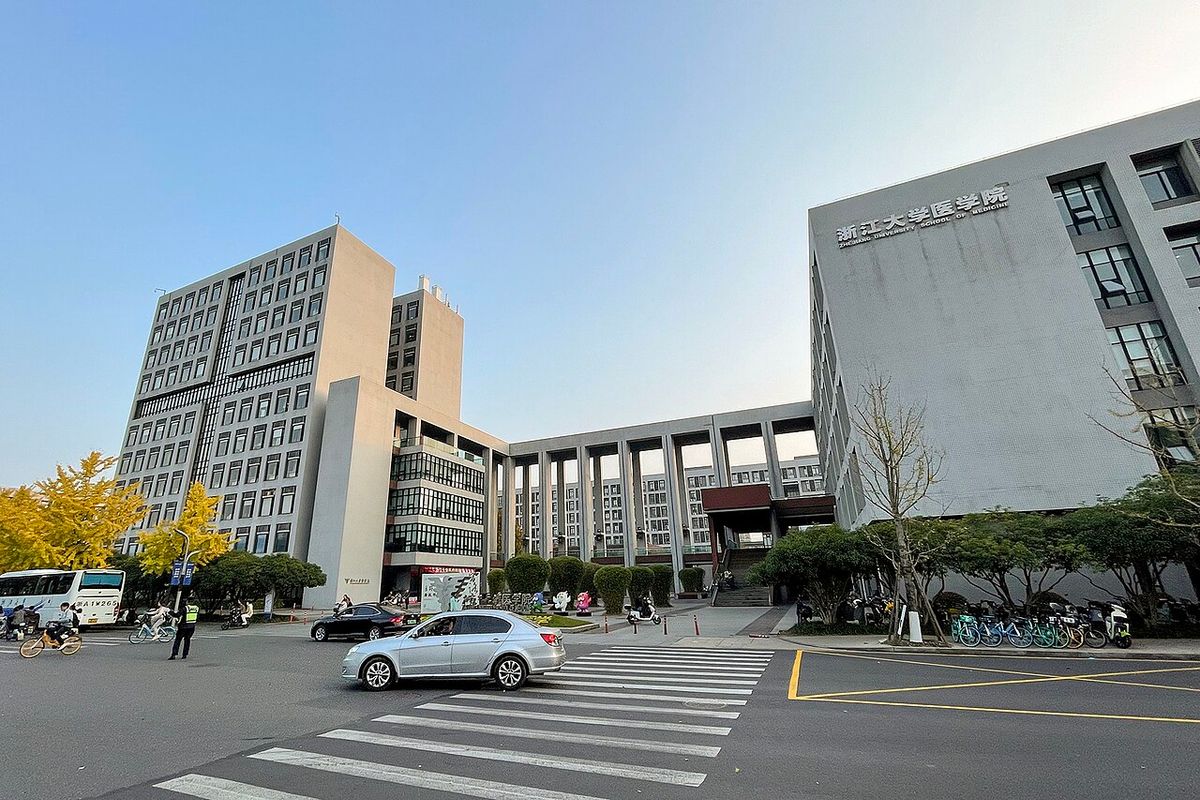
Wikimedia Commons (CC BY-SA 4.0) — Windmemories
The Microwave Cavity Hypothesis — Ball Lightning Trapped in Its Own Radiation (2017)
Unexplained PhenomenaBall LightningHistorical
30.2490°N, 120.2052°E
Location
Zhejiang University, Hangzhou, China
Discussion
Loading comments...