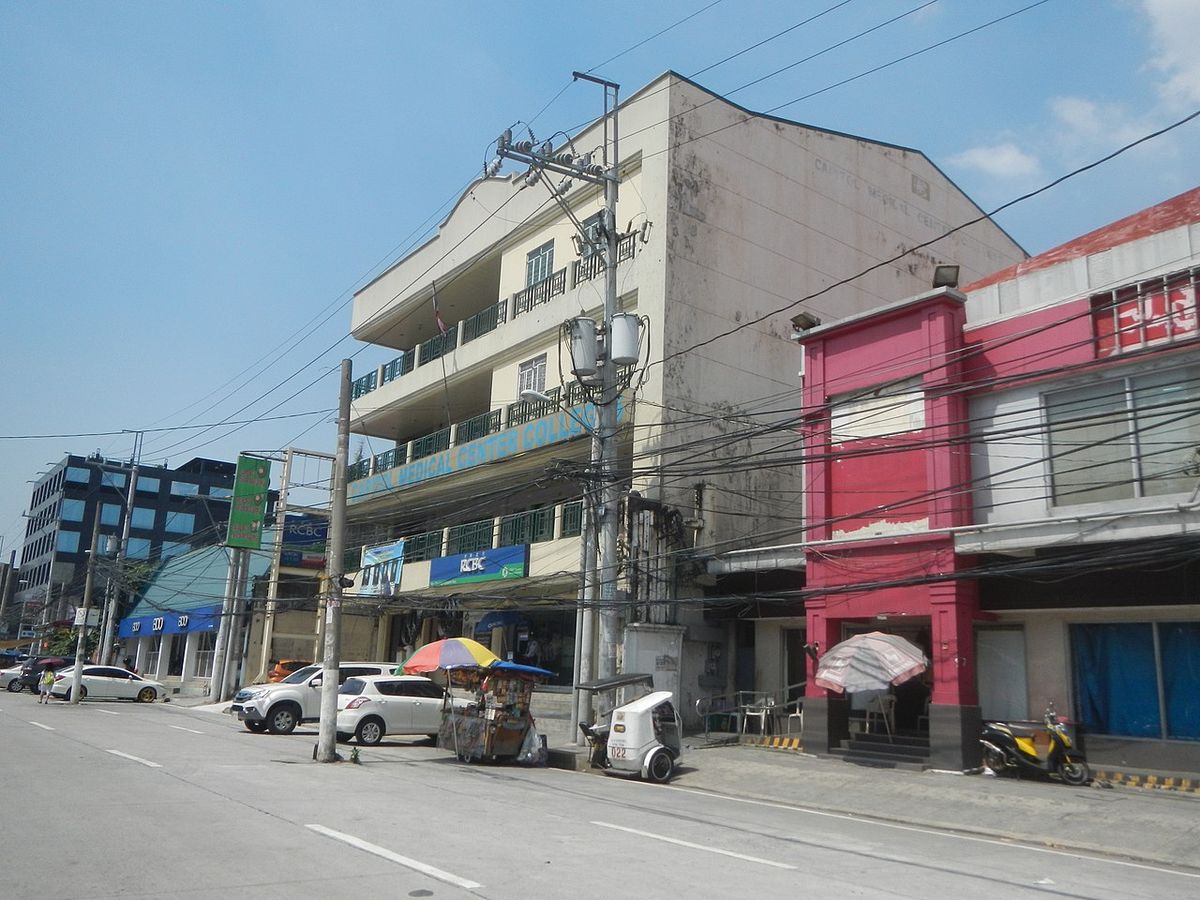
Capitol Medical Center in Quezon City harbors one of Metro Manila's most unsettling hospital hauntings — a decommissioned elevator that seems to operate with a will of its own. Hospital staff and patients have reported stepping into what appears to be a normal elevator, only to find themselves descending unbidden to the basement level, which once served as the hospital's morgue.
The encounters follow a disturbing pattern. Witnesses describe pressing their intended floor button, feeling the elevator shudder, and then watching the panel lights flicker before the car descends past the ground floor. When the doors open, they reveal the old morgue — a cold, dimly lit space that has been sealed off from regular hospital operations for years. Some witnesses report the overwhelming smell of formaldehyde and antiseptic, while others describe a profound feeling of dread that prevents them from stepping out.
In Filipino supernatural tradition, hospitals and morgues are considered liminal spaces where the boundary between the living and the dead grows thin. The concept of the "namamahay" — spirits who claim a space as their territory — is particularly strong in locations associated with death. Security guards who have worked the night shift report that the elevator occasionally operates on its own in the early morning hours, its doors opening and closing on empty floors, the mechanical whirring audible in the otherwise silent corridors.
The elevator has since been taken out of service, but employees who pass through the basement level still report hearing the faint chime of its arrival bell echoing through the unused space.