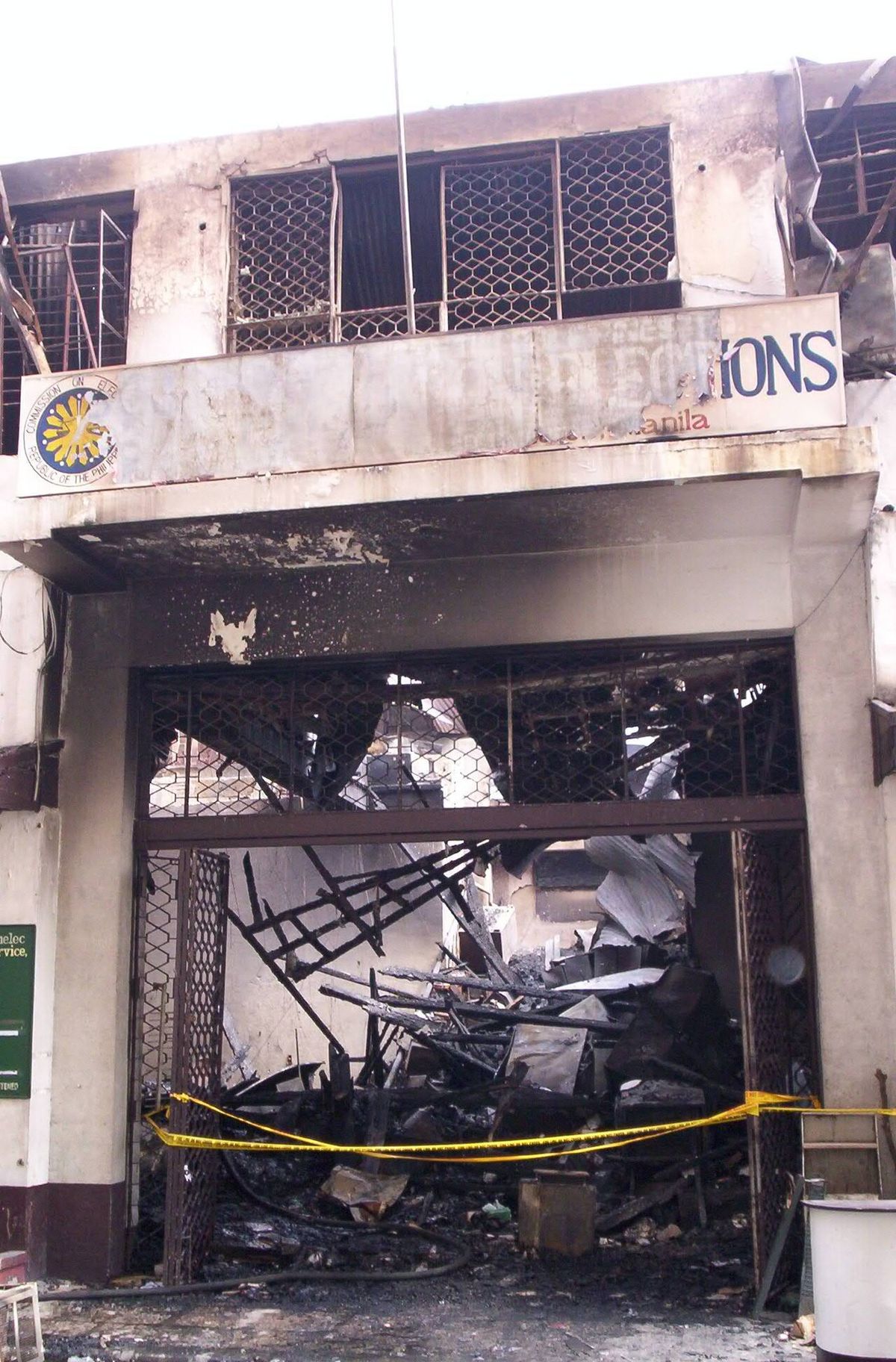
The Commission on Elections (COMELEC) city offices in Arroceros, Manila, occupy a building with a previous life that explains the phenomena employees encounter: the structure formerly served as a hospital, and the spirits of patients who died within its walls appear to have remained through the building's administrative conversion.
The building's transformation from hospital to government office eliminated the physical infrastructure of medical care — the wards, the operating rooms, the morgue — but the spiritual residue of illness, treatment, and death proved more resilient than the architectural fixtures. COMELEC employees working late during election preparation periods, when the offices operate around the clock processing registrations and certifications, report encounters that carry the unmistakable signature of a former hospital.
The sounds are the most commonly reported: the squeak of gurney wheels on linoleum floors that have since been tiled over, the murmur of voices that sound like medical consultations, and the rhythmic beeping of equipment that hasn't existed in the building for decades. Some employees describe the smell of antiseptic and rubbing alcohol in corridors that now house filing cabinets and voter registration computers.
Visual apparitions are rarer but consistent in their description: figures in hospital gowns — patients rather than medical staff — seen in doorways or at the ends of corridors, standing with the uncertain posture of people who are lost or disoriented. They appear most frequently during the pre-dawn hours when the building is at its quietest, the normal ambient noise of the government office having subsided enough for the older sounds and older presences to become perceptible.
The Arroceros area of Manila, situated along the Pasig River near Intramuros, carries the accumulated history of the Spanish colonial period, the American era, and the devastation of World War II. The hospital that became the COMELEC building treated patients across multiple eras, and the spirits that remain may belong to any of them — colonial-era patients, wartime casualties, or more recent dead who simply never left the place where they drew their last breath.