The sixteenth century marked a dramatic escalation in European witch trials, as the theological framework established by the 'Malleus Maleficarum' (1487) merged with the social upheavals of the Reformation, Counter-Reformation, and the early stages of the Little Ice Age. Germany and Switzerland became the epicenters of prosecution. In the Electorate of Trier alone, between 1581 and 1593, the persecution was so severe that two villages were left with only one woman each. The Bishop of Geneva reportedly burned 500 accused witches in three months in 1515. Scotland saw its first major witch panic in 1590, when King James VI personally attended the North Berwick witch trials. The sixteenth century also saw the development of the 'witch theory' into a fully elaborated system: witches were believed to attend sabbaths (nocturnal gatherings to worship Satan), fly on broomsticks or ointment-anointed animals, transform into animals, raise storms, cause impotence, kill livestock, and consume children. This comprehensive demonology gave prosecutors an unlimited scope for investigation and made virtually any unusual event potential evidence of witchcraft.
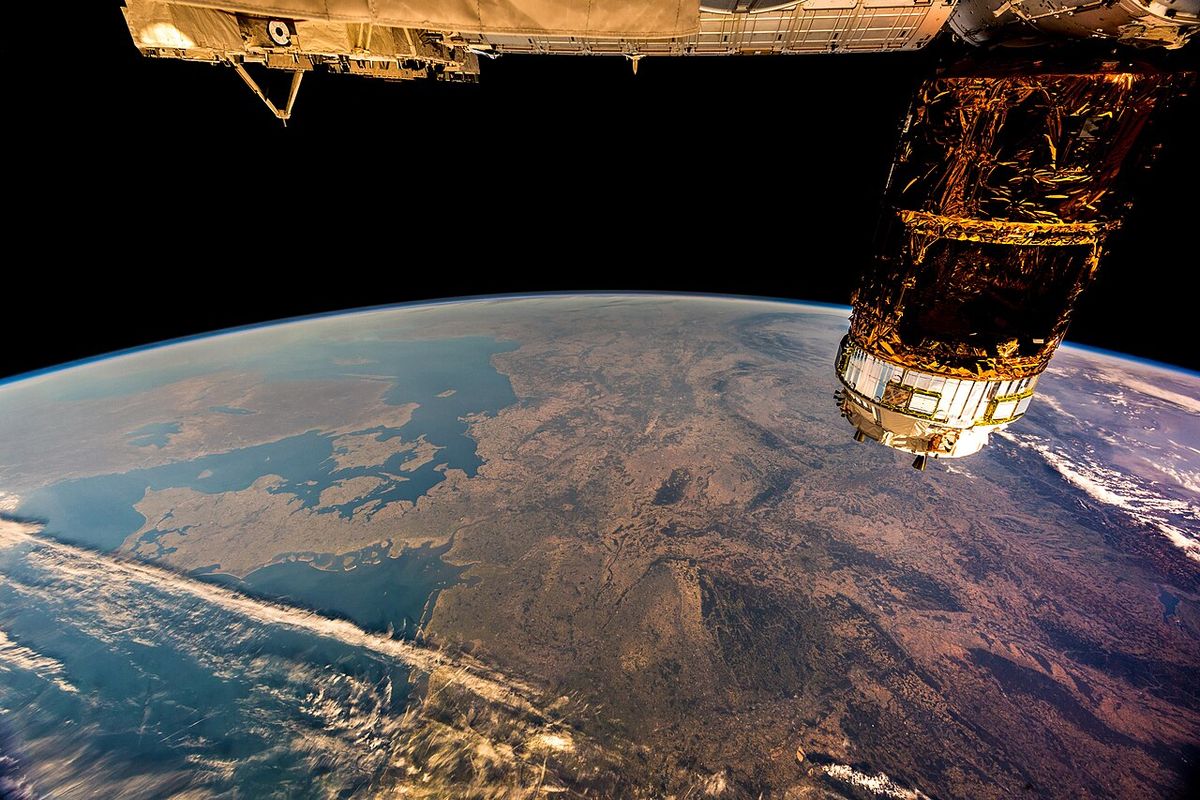
Wikimedia Commons (CC BY-SA 2.0) — Alexander Gerst
The Peak of Witch Trial Hysteria in 16th-Century Europe
Folklore & LegendsWitch/CurseHistorical
22.4126°N, 95.6050°E
Location
Central Europe
Discussion
Loading comments...