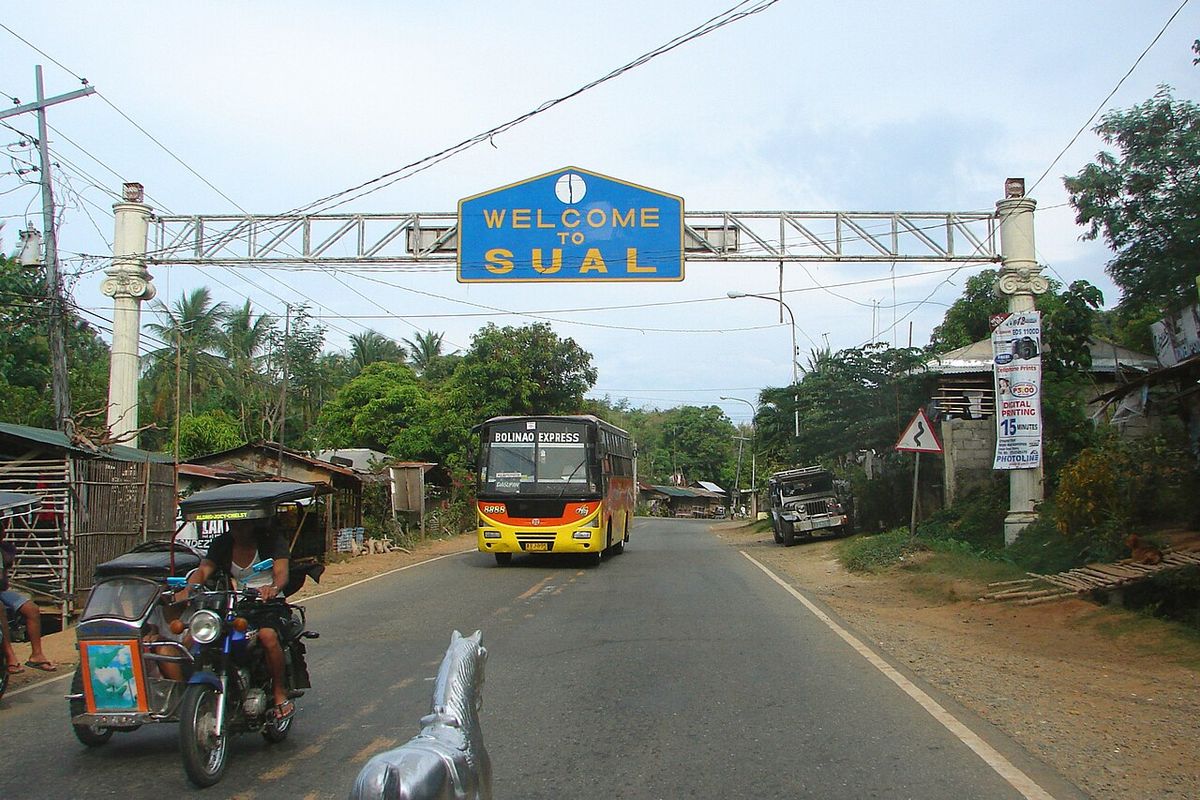
Zigzag Road in the municipality of Sual, Pangasinan, earns its name from the winding, switchback curves that carry motorists through the hilly terrain of the Lingayen Gulf coast. Since the 1970s, the road has been haunted by the spirit of a woman whose death transformed a treacherous stretch of asphalt into something worse than a mere engineering hazard.
According to accounts passed through the communities along the road, a woman was murdered in the 1970s and her body dumped along one of Zigzag Road's sharp curves. The crime was never publicly resolved, and the woman's identity has been absorbed into the anonymity of the "white lady" designation — though locals insist she was a real person, from a nearby town, whose death was known but whose justice was never obtained.
Her spirit appears as the classic white lady: a woman in a pale dress, standing at the curve where her body was found, visible to motorists in the moments before they enter the turn. The apparition has been blamed for accidents along the stretch — drivers who see the figure brake or swerve to avoid her, losing control on the already dangerous curves. Some describe the white lady stepping into the road directly in front of their vehicle, forcing an instinctive reaction that sends them off the shoulder or into oncoming traffic.
The connection between the white lady's murder and her ongoing presence at the site reflects the Filipino belief that victims of violent, unresolved crime become the most persistent of all supernatural entities. Their spirits are bound to the location of their death not by choice but by the injustice of their fate — they cannot move on because the wrong done to them was never acknowledged, never punished, never made right. The white lady of Zigzag Road appears nightly at the curve where she died, a permanent witness to a crime that the living world has allowed itself to forget.