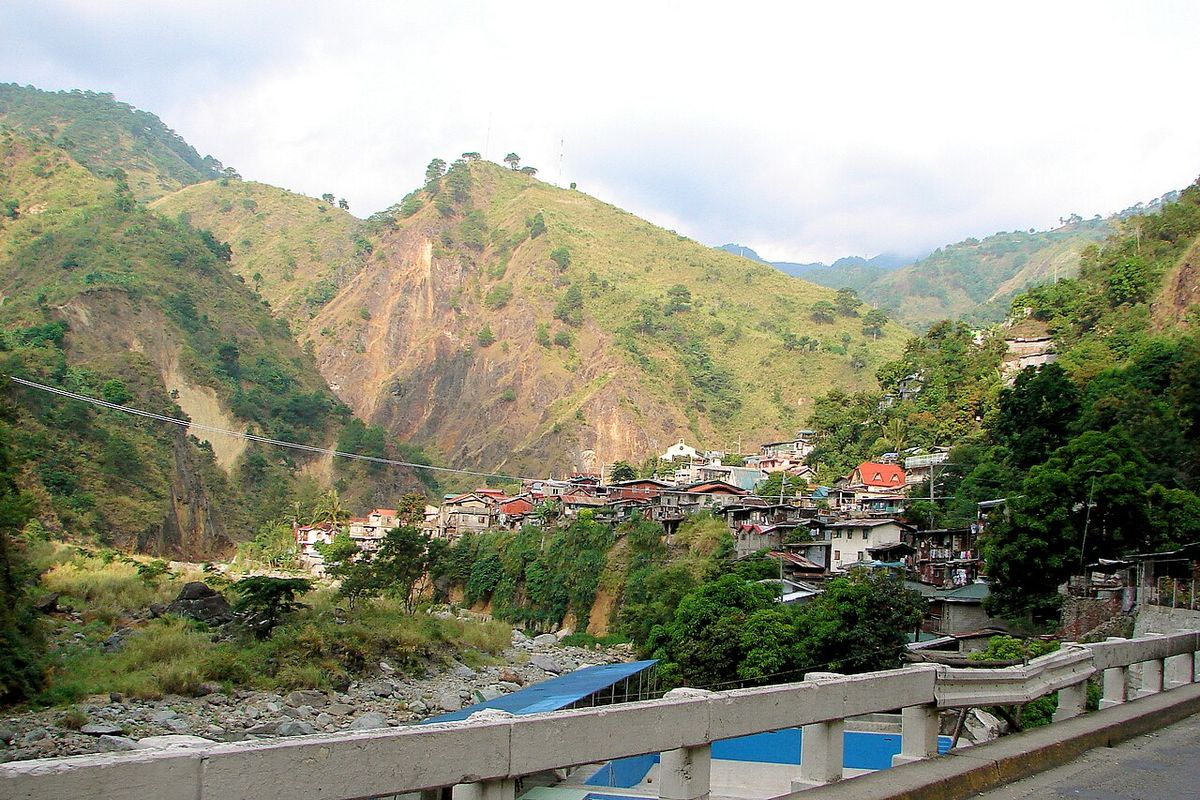
Aran Cave — also known as Tukang Cave — sits in the mountains between Barangays Twin Peaks and Camp 3 in the municipality of Tuba, Benguet province, overlooking one of the Philippines' most storied roads: Kennon Road, the winding mountain highway connecting the lowlands of Pangasinan to the highland city of Baguio. The cave is said to be the lair of a man-eating giant whose hunger has claimed lives since the road's construction during the American colonial period.
During the building of Kennon Road in the early 1900s — a feat of engineering that carved a route through the Cordillera mountains at tremendous human cost — several workers disappeared without explanation. Their bodies were never found, and the communities in the area attributed the disappearances to the giant of Aran Cave, a towering creature said to emerge from the cave system to hunt humans who ventured too close to its territory.
The giant is described in Ibaloi and Kankanaey tradition as a "bungisngis" or similar ogre-like being — massive, powerful, and possessing an appetite for human flesh. Unlike the more familiar engkantos or nature spirits of lowland Filipino folklore, the mountain giants of Cordilleran tradition are physical, predatory creatures that occupy the deepest caves and most inaccessible peaks of the highlands.
Subsequent deaths and disappearances along the Kennon Road corridor have been attributed to the same entity. Motorists who break down near the cave report hearing deep, resonant breathing from the mountainside and the sound of heavy footfalls approaching through the underbrush. Hikers who have approached the cave entrance describe an overwhelming stench — the smell of decay and rotting meat — that emanates from within.
Kennon Road itself, with its history of landslides, accidents, and the hundreds of workers who died during its construction, carries enough collective trauma to generate hauntings on its own. But the giant of Aran Cave represents something older and more primal: a Cordilleran tradition of mountain monsters that predates both the American road builders and the Spanish colonizers before them.