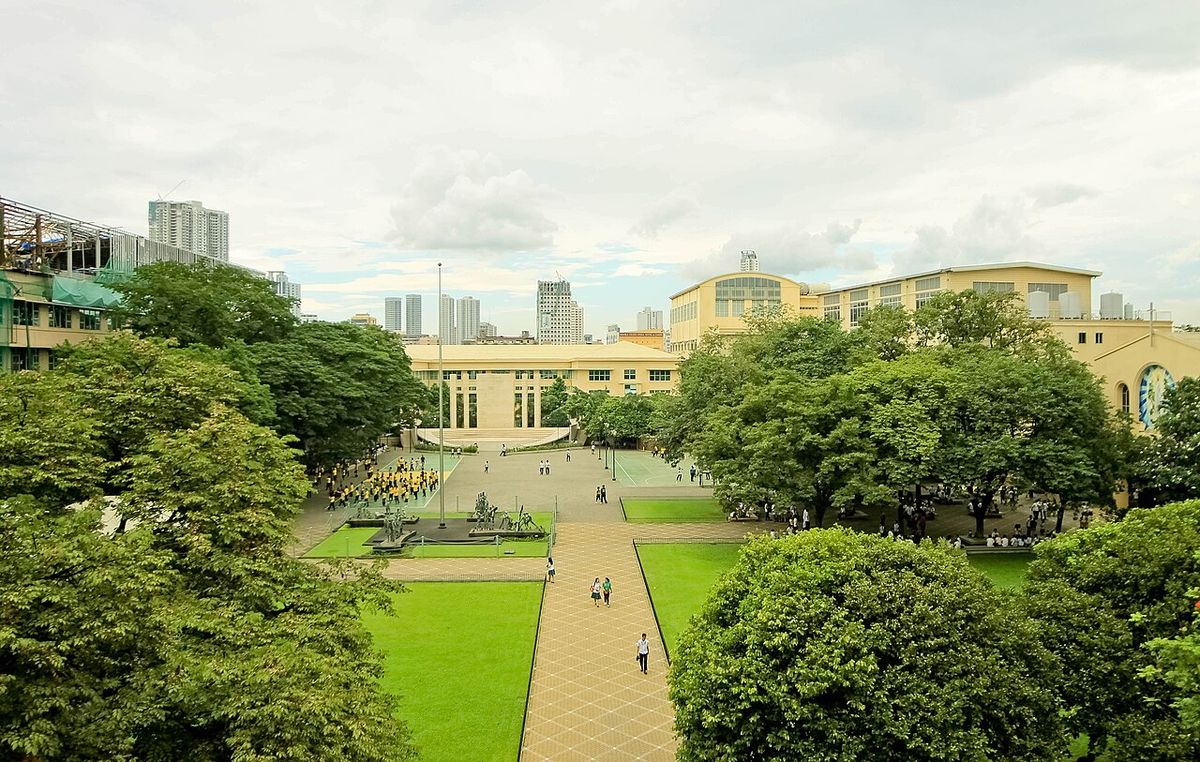
Far Eastern University, one of Manila's oldest and most prominent private universities, carries a somber haunting in its education building — the spirit of a professor who took their own life on campus grounds. The identity of the professor has been obscured by time and institutional discretion, but the hauntings attributed to their spirit have persisted through generations of students and faculty.
The encounters center on the upper floors of the education building, particularly in the late afternoon and evening hours when the building begins to empty. Students and faculty report hearing the sound of pacing footsteps in empty classrooms above them, the distinctive click of chalk on a blackboard in rooms that have long since been converted to whiteboards, and the faint, melancholic hum of a voice that seems to be lecturing to an empty room.
Some students have reported a more direct encounter: entering a classroom they believed to be unoccupied for self-study and finding a figure seated at the professor's desk, head bowed, who fades from view within seconds of being noticed. The temperature in the room drops noticeably during these encounters, and students describe a profound feeling of sadness — not fear — that lingers for hours afterward.
In Filipino culture, suicide creates a particularly complex spiritual situation. The spirit of someone who died by their own hand is believed to be trapped in a cycle of their emotional pain, unable to move on to the afterlife until the grief that drove them to their death is somehow resolved. The professor's spirit, if the accounts are to be believed, appears to be performing the only act of meaning they knew in life — teaching — in an endless, ghostly repetition that continues long after their students have graduated and the curriculum has changed.