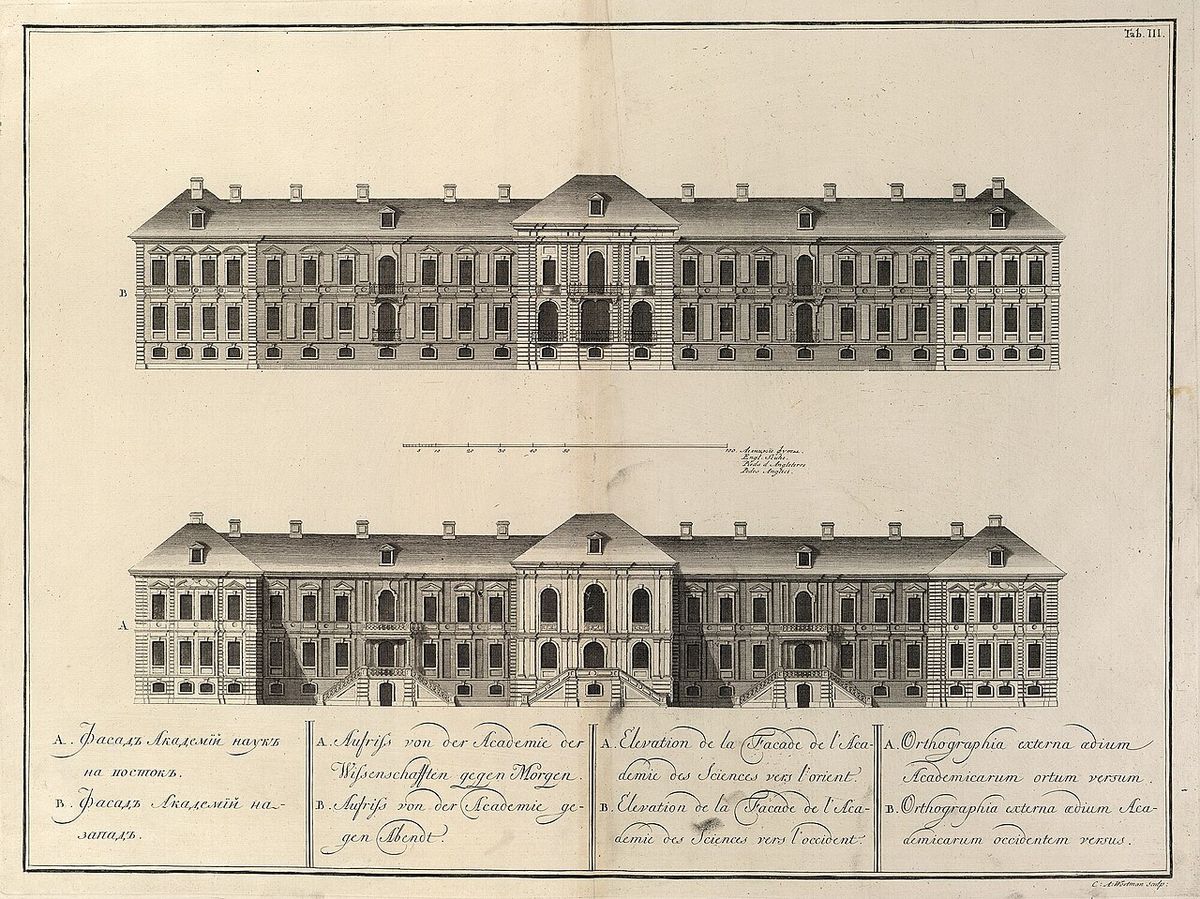
On August 6, 1753, German-Russian physicist Georg Wilhelm Richmann was conducting lightning research at the Imperial Academy of Sciences in St. Petersburg, Russia when he was killed by what witnesses described as a ball of blue-white fire that emerged from his experimental apparatus and struck him in the forehead. Richmann had been attempting to measure the electrical charge of storm clouds using an insulated rod connected to a thread electrometer — a simplified version of Benjamin Franklin's famous kite experiment. As a thunderstorm approached, Richmann and his engraver (who was present to document the experiment) observed a pale blue fireball approximately the size of a fist emerge from the apparatus.
The ball struck Richmann on the forehead, killing him instantly and leaving a red spot. His engraver was knocked unconscious and the door of the room was torn from its hinges by the blast. Richmann's death was one of the earliest well-documented fatalities from ball lightning and served as a sobering demonstration of the dangers of electrical research in the pre-modern era. Benjamin Franklin cited Richmann's death as a cautionary tale.