By 1864, ball lightning had achieved sufficient recognition to warrant inclusion in Ebenezer Cobham Brewer's 'Dictionary of Phrase and Fable,' one of the Victorian era's most popular reference works. Brewer described ball lightning as 'a globe of fire which is sometimes seen to fall from the clouds and which, rolling along the surface of the ground, bursts with a violent explosion.' This definition, while simplified, accurately captures several key characteristics: the spherical shape, the apparent descent from storm clouds, the ground-level movement, and the explosive disappearance. The inclusion of ball lightning in a mainstream reference work is significant because it marks the phenomenon's transition from obscure meteorological curiosity to established (if poorly understood) fact in the public consciousness. Brewer's entry drew on the accumulated reports compiled by François Arago and other 19th-century scientists, lending the authority of an encyclopedic source to a phenomenon that many scientists of the era still regarded with skepticism.
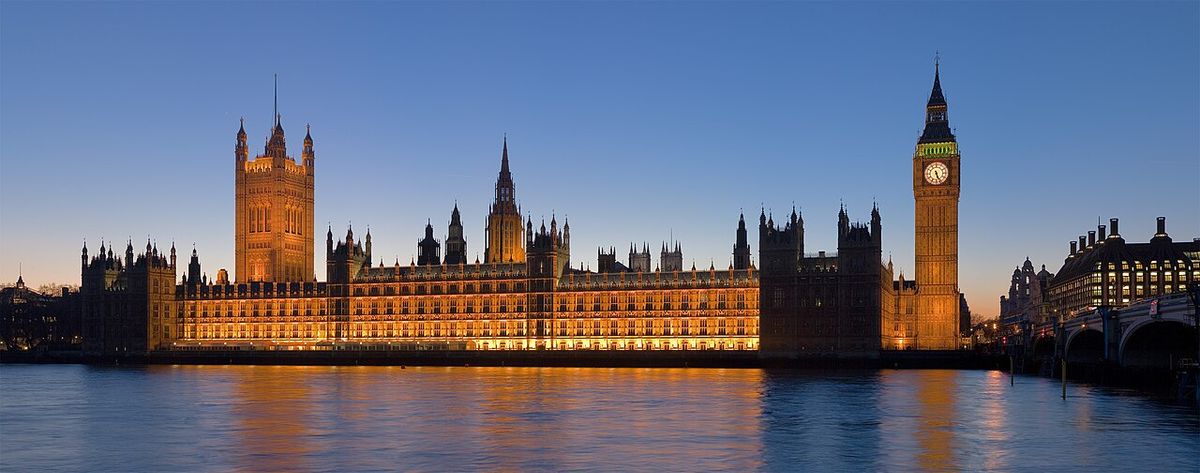
Wikimedia Commons (CC BY-SA 2.5) — Diliff
Ball Lightning in Victorian Reference Works — Brewer's Dictionary (1864)
Unexplained PhenomenaBall LightningHistorical
51.0000°N, 10.0000°EOpen in Google Maps
Location
London, England (published)
Discussion
Loading comments...
Nearby Nightmarks
Reported encounters within 50 miles