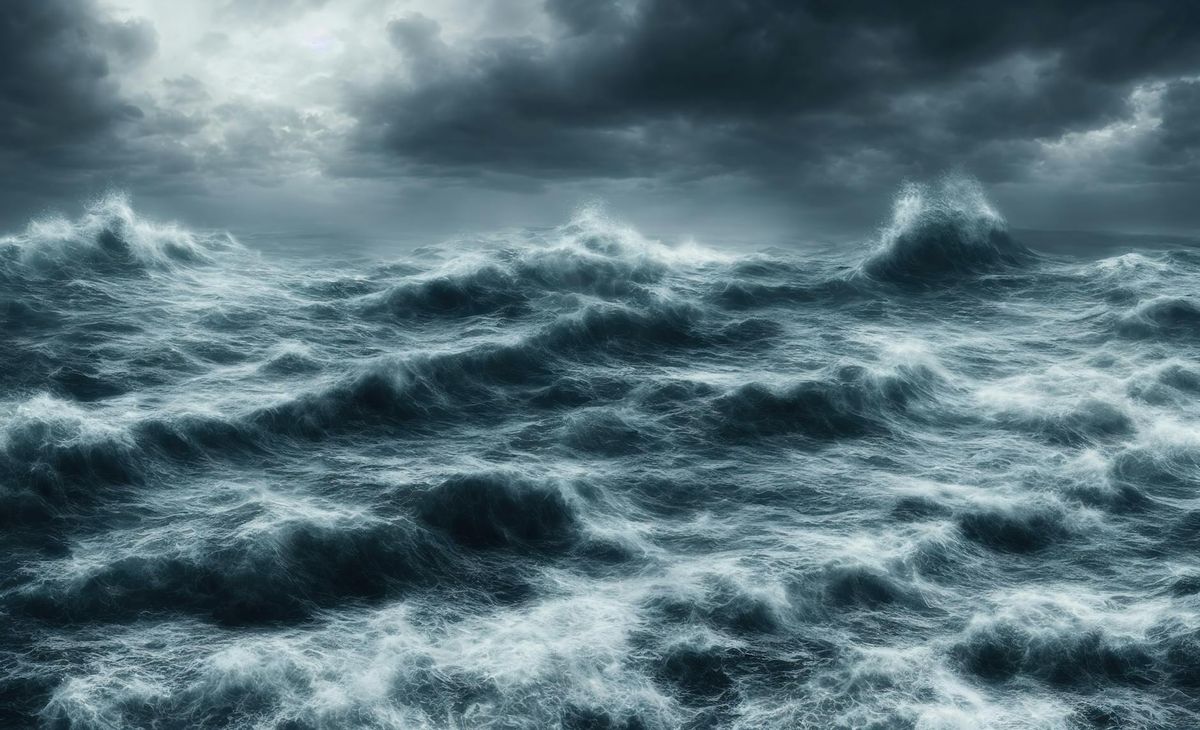
In 1809, the British East Indiaman HMS Warren Hastings experienced one of the most dramatic shipboard encounters with ball lightning on record. During a severe electrical storm in the Indian Ocean, three large balls of fire descended from the masts and rolled across the deck of the ship. One of the fireballs killed two crew members and injured several others. Contemporary accounts describe the luminous spheres as approximately the size of a man's head, moving slowly across the deck before exploding with a violent concussion.
The Warren Hastings incident is one of several historical accounts of ball lightning affecting sailing vessels, which were particularly vulnerable to electrical phenomena due to their tall wooden masts and the static charge generated by wind friction on rigging and canvas. Shipboard ball lightning accounts are valuable to researchers because the controlled environment of a vessel makes it easier to rule out misidentification of distant lights or other atmospheric phenomena. The Warren Hastings case predates photographic evidence by decades but was documented in the ship's log and in reports to the East India Company.