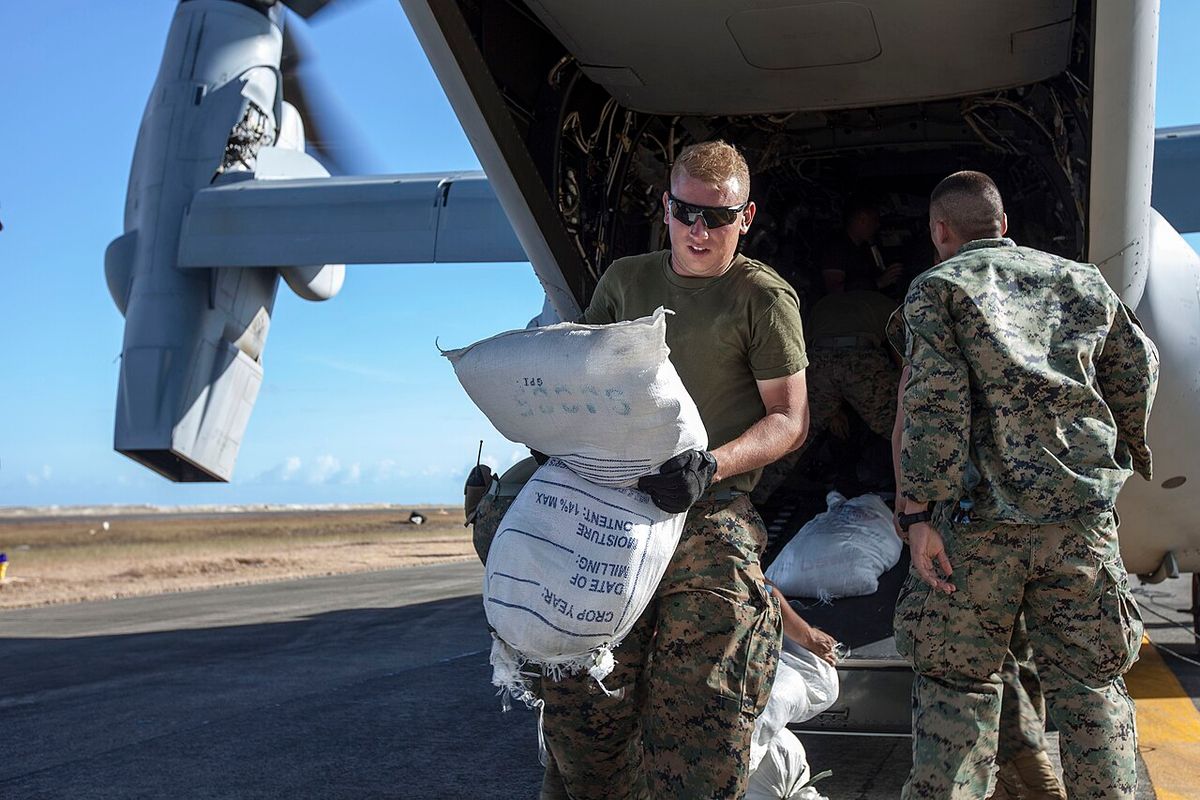
On November 8, 2013, Super Typhoon Yolanda — known internationally as Typhoon Hainan — made landfall on the eastern coast of the Philippines with sustained winds of 315 km/h and a storm surge that reached heights of over six meters. The city of Tacloban in Leyte province was devastated. In the San Jose district, a low-lying coastal neighborhood directly in the path of the surge, the seawater swept inland with the force of a tsunami, drowning hundreds of residents who had no time to flee.
San Jose was the worst-affected area of Tacloban. Entire blocks were obliterated. Bodies were found in trees, on rooftops, and tangled in the wreckage of homes that had been swept kilometers from their foundations. The district became a recovery zone where the smell of death persisted for weeks, and where the identification and burial of the dead stretched on for months.
In the years since, residents who returned to rebuild in San Jose have reported hauntings that carry the specific sensory signature of the storm surge. The sound of rushing water is heard on calm, clear nights — a roaring that builds and fades as if a wave is passing through the neighborhood. Some residents describe waking to find their floors wet, the water receding by morning with no plumbing leak or rainfall to explain it. Others see figures standing in the streets at night, soaking wet, looking lost or confused — spirits who may not understand that the storm has passed and that the water that killed them has long since receded.
The scale of death in San Jose was so sudden and so total that the community's relationship with the supernatural was permanently altered. In Filipino tradition, the dead must be mourned properly — wakes, prayers, and burial rituals are essential for the soul's peaceful departure. But when thousands die simultaneously, many of them unidentified for weeks or months, the rituals cannot be completed for everyone. The ghosts of San Jose are, in this framework, the unmourned dead — spirits who were never properly sent on their way and who remain in the neighborhood where they lived and died, waiting for the prayers that may never come.