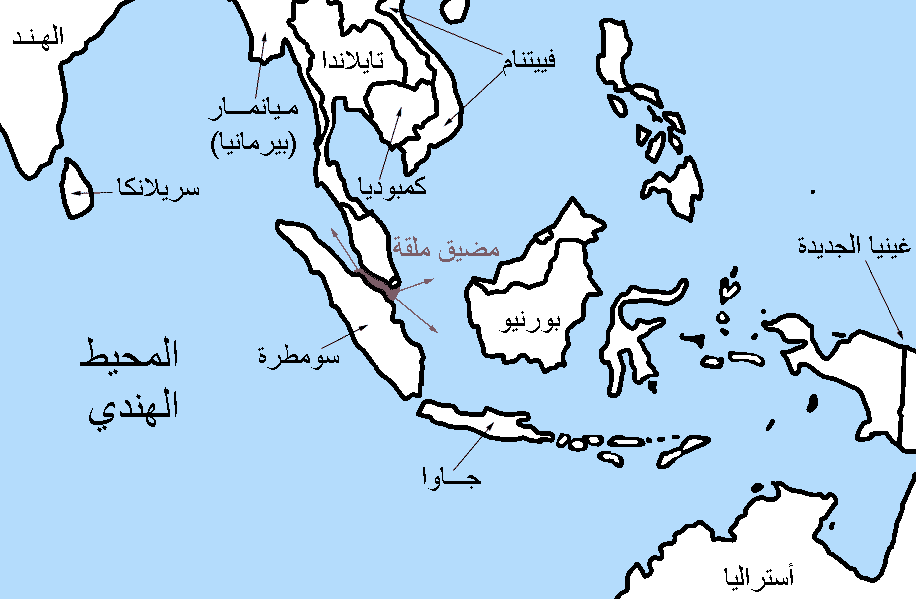
According to several widely circulated accounts published from the late 1940s onward, in June 1947 the American cargo ship Silver Star — or by other tellings, the City of Baltimore — was sailing through the Strait of Malacca when its radio operators intercepted a chilling Morse code distress message from a nearby vessel: 'All officers including captain are dead lying in chartroom and bridge. Possibly whole crew dead.' The message ended after a garbled phrase reported as 'I die.' The signal was traced by compass bearings to the Dutch merchant ship SS Ourang Medan. Rescuers boarded her and reportedly found a scene that has fascinated maritime folklore ever since.
All crewmembers aboard the Ourang Medan were dead. Their faces were reportedly frozen in expressions of terror, arms outstretched, eyes wide open. There were no visible wounds. The ship's dog was also dead with teeth bared. The temperature in the hold was said to be unusually cold despite the tropical latitude, and a faint chill lingered throughout the decks. As the rescuers prepared to tow the vessel, smoke began rising from the hold. The boarding party returned to the Silver Star, and almost immediately after casting off, the Ourang Medan exploded and sank.
Despite the vivid narrative, no record of the SS Ourang Medan has ever been found in Dutch shipping registries of the period, nor in Lloyd's Register of Ships, nor in the records of the Silver Star. The earliest known printed account comes from a Dutch-Indonesian paper in 1948 and from the May 1952 U.S. Coast Guard's Proceedings of the Merchant Marine Council. Most modern historians consider the story to be a fabrication or maritime legend, possibly mixing elements of multiple post-war shipping losses.
Regardless of historical accuracy, the Ourang Medan has become one of the most persistent and atmospheric ghost-ship stories of the twentieth century — a close cousin to the Mary Celeste and a fixture of paranormal and maritime folklore worldwide.