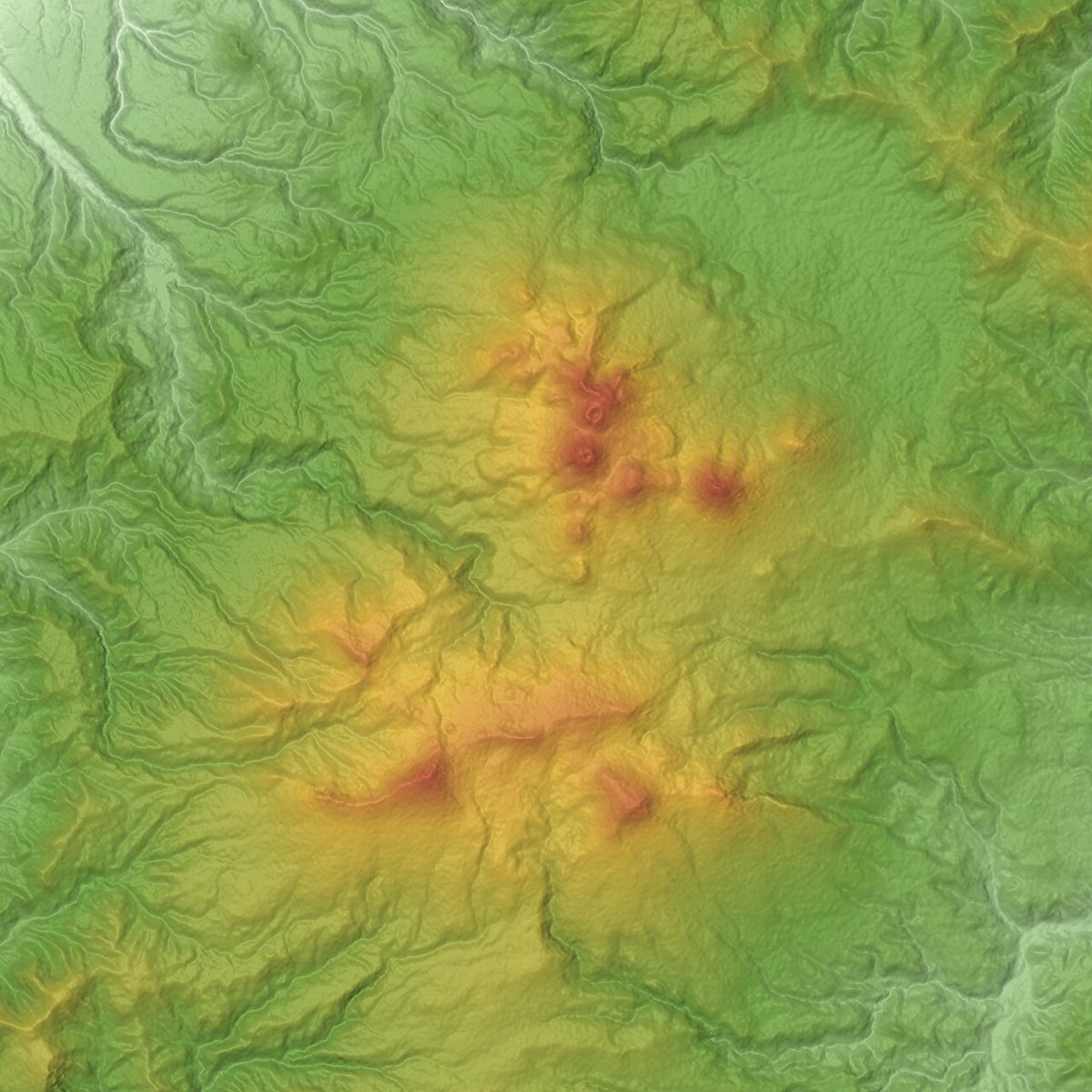
Mount Hakkōda in northern Aomori Prefecture is the site of one of the deadliest military training disasters in world history and, since 1902, one of Japan's most consistently haunted mountain ranges. On January 23, 1902, 210 soldiers of the 5th Infantry Regiment of the Imperial Japanese Army's 8th Division marched out of Aomori garrison under Captain Kanda for a three-day winter training exercise intended to test cold-weather endurance in preparation for a possible war with Russia. A severe blizzard — the 'Hakkōda mountain disaster' — descended within hours of the column leaving the road. Disoriented in white-out conditions, the soldiers circled the Tashiroyachi plateau for four days. Only 11 men were recovered alive; 199 died of hypothermia.
Search parties in February 1902 found the dead in grotesque postures frozen mid-march, including the figure of Corporal Gotō, found standing upright at attention three kilometres from the column's last known position, whose expression and body position became one of the iconic photographs of the Meiji era. The bodies were recovered over more than six weeks and were buried at Aomori Military Cemetery with full honours. Since that winter, the Hakkōda approach trails — particularly the Tashiroyachi Marsh and the Sukayu Onsen road — have produced a continuous stream of reports of the frozen soldiers: hikers describe lines of uniformed men marching silently through the snow at dusk, voices calling from the fog, and the rhythmic sound of boots on compacted snow on nights when no one is present.
The Hakkōda case is formally catalogued in Japanese military history, depicted in Shichirō Fukazawa's 1971 novel 'Mount Hakkōda' and the 1977 film adaptation, and remains a key reference in Japanese self-defense-forces cold-weather training curricula. The 1977 film crew reported multiple unusual incidents during the eleven-week shoot; military-history museum officials at the Aomori Museum of Natural Science have noted a pattern of visitor testimony describing the same apparitions independently. Mount Hakkōda stands as one of the most thoroughly-authenticated long-term mass-casualty haunts in Japan.