Kashima-reiko (鹿島レイコ), also spelled Teke-Teke, is one of the most feared modern yūrei of Tokyo urban folklore — a young woman cut in half at the waist by a train during the 1950s who, according to the legend, drags herself along the ground on her hands through the subway stations and narrow streets of the Sumida and Kōtō wards, cutting in half anyone she catches in a mimicry of her own death. The legend, which consolidated in schoolchildren's whispered stories during the 1970s and was formalized in Yukiko Matsuya's 1988 collection 'Sumida-kawa no Kowai Hanashi' ('Frightening Stories of the Sumida River'), is one of the most-repeated nighttime cautionary tales for Tokyo children.
The underlying event appears to be the 1956 death of a young woman at the Kashima Jingū-Shita station on the Tōbu Isesaki line, whose identity was never fully established. The woman — rumoured to be named Reiko — was sliced in two by a passing express train after slipping from the platform in circumstances that may have been accident, suicide, or foul play. A track-maintenance worker who discovered the upper half of her body reported that her eyes 'were still open' and that he heard her speak to him in a hoarse whisper. He died of a heart attack three days later, and the legend took root.
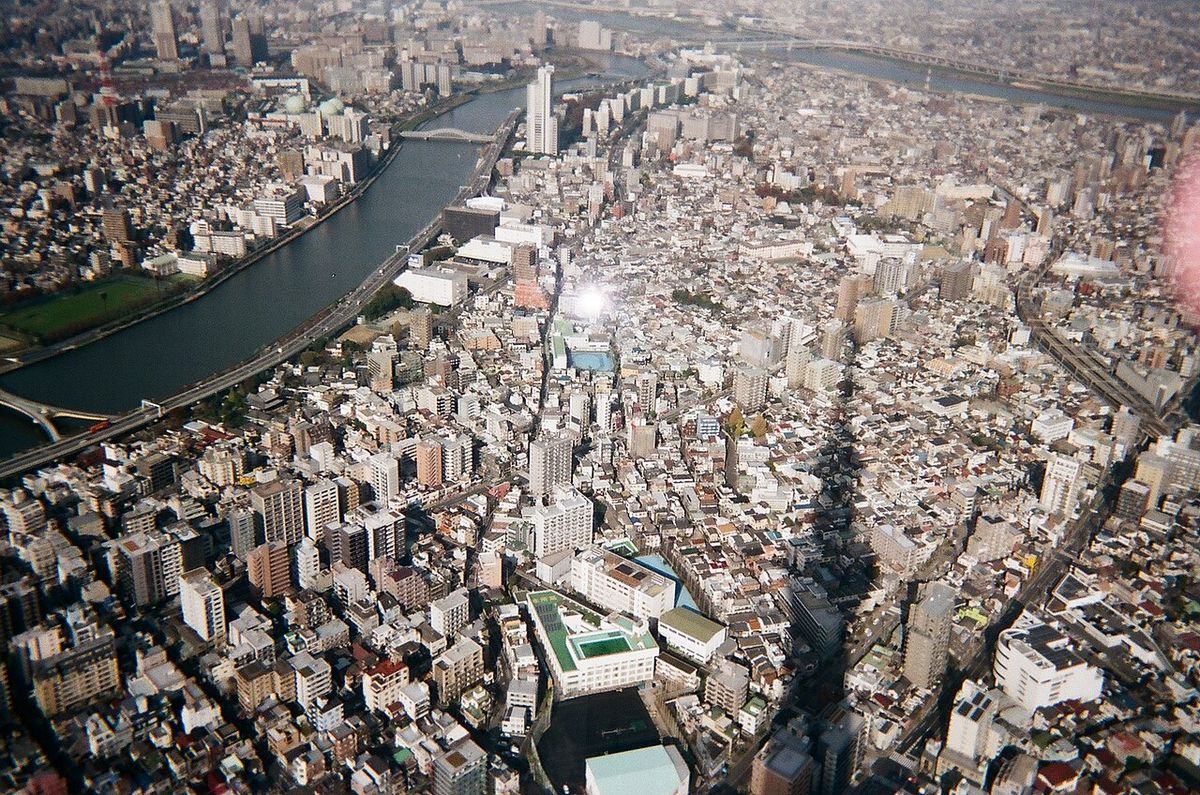
Modern reports associated with Kashima-reiko concentrate in the Sumida and Kōtō wards, particularly along the route between Asakusa and Kinshichō stations and in the underground passages of Kinshichō Station itself. Passengers on late-night trains occasionally report hearing a scraping sound 'like elbows on tile' from empty carriages, and Kinshichō station staff have reported sightings of a woman missing the lower half of her body in the maintenance corridors. Tōbu Railway's official safety literature for the Tōbu Isesaki line does not acknowledge the legend but does include enhanced platform-safety and gate signage at the stations most associated with her appearance. Kashima-reiko remains a primary figure in modern Japanese urban paranormal tradition.