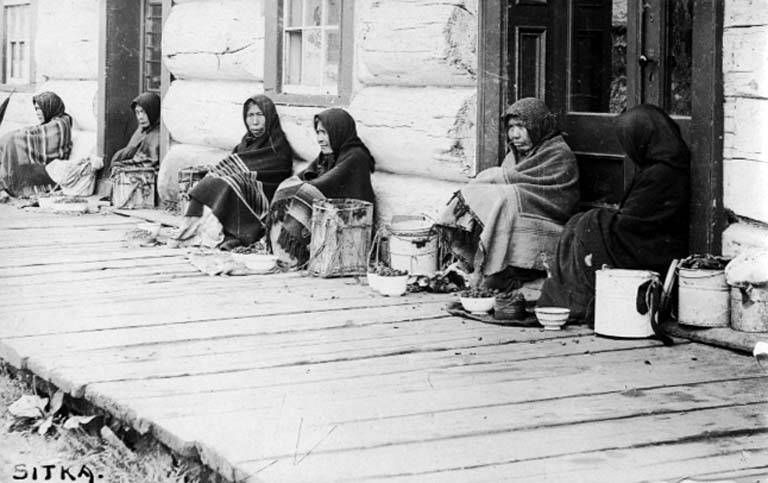
In the oral traditions of the Tlingit and Tsimshian peoples of Southeast Alaska and British Columbia, the Kushtaka (also rendered Kooshdakhaa, 'land-otter-man') are malevolent shapeshifters that inhabit the narrow, rain-drenched fjords between Yakutat and Ketchikan. They appear as ordinary sea otters at a distance but can assume the form of a lost relative, a beautiful woman, or a crying infant to draw solitary travelers off glacier ice or out of their canoes. Their victims are never seen again in mortal form — the Kushtaka are said to transform them into otter-men themselves, trapping their souls in the in-between forever.
Kushtaka are especially active in the coastal rainforest between Juneau and Yakutat, near river mouths at dusk, and along the Gulf of Alaska beaches where Tlingit elders have long warned travelers never to answer a voice calling from the mist. Modern accounts include multiple documented disappearances of hikers on the Chilkoot Trail near Skagway — in particular a 1920s account by journalist Harry D. Colp in the manuscript 'The Strangest Story Ever Told,' in which a prospector near Thomas Bay described being surrounded by a band of creatures that were 'not quite human and not quite animal.' Colp's companion was found alive but permanently changed, dying shortly afterward.
Traditional Tlingit countermeasures against the Kushtaka include copper, fire, urine, and the barking of dogs. The Kushtaka are said to fear the sound of their own true name spoken aloud. Anthropologists have noted that the stories may have functioned partly as survival lore — warning children not to stray alone along a coastline where hypothermia, quicksand mudflats, and grizzly bears all kill with equal reliability. But the tales persist in modern Southeast Alaska, and Tlingit speakers still name particular coves where they say the otter-men wait.