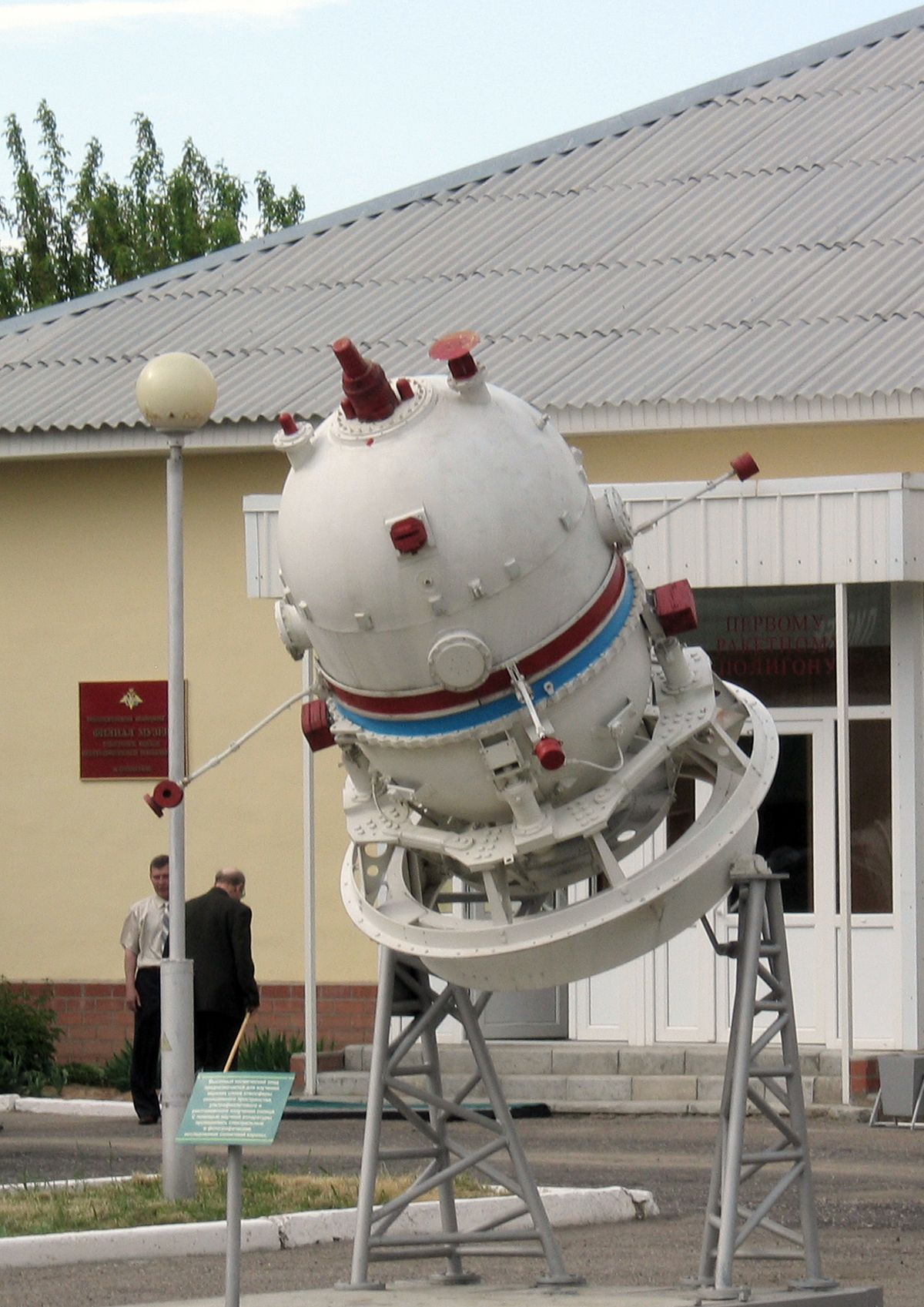
Kapustin Yar (Капустин Яр) is a Russian military rocket-launch and air-defense test range in the steppes of Astrakhan Oblast, founded in 1946 as the Soviet Union's principal captured-V2 launch facility under Sergei Korolev and subsequently expanded into one of the largest closed-territory military complexes on Earth. The site was the point of origin of every major Soviet rocket program from 1947 through the 1960s; it housed captured German Nazi-era technology and, later, hosted the PKO/USSR anti-ballistic and anti-satellite test programs. Its unusual combination of classified military activity, advanced propulsion research, and extreme isolation has given rise to a longstanding reputation — both in Soviet dissident literature and in post-Cold War Western intelligence analyses — as the 'Russian Roswell.'
According to declassified Soviet General Staff files and to the testimony of former Kapustin Yar personnel published after 1991, multiple significant UFO encounters occurred over the range between 1948 and the late 1980s. The most-cited incident occurred on June 19, 1948, when Soviet MiG-15 and Yak-25 interceptors reportedly engaged an unidentified craft over the range; one MiG-15 was reportedly downed during the engagement with the loss of its pilot Captain Apraksin. A second significant incident in 1967 involved the recovery of 'non-human bodies and craft fragments' which were reportedly taken to Kapustin Yar for analysis, according to Soviet defector Vladimir Rudenko and subsequent British intelligence debriefings. Multiple Kapustin Yar officers have testified to an extensive classified holding facility at the site's Zhitkur sub-base where recovered materials were analyzed.
Soviet defector testimony, declassified KGB files released in 2005 under Russia's partial-disclosure law, and subsequent investigations by Russian investigative journalist Alexander Mosyakin have assembled a substantial case that Kapustin Yar served as the principal Soviet/Russian recovery and analysis facility for multiple UAP-adjacent events between 1948 and 1991. The site remains an active Russian military facility — the 4th State Central Range — and is closed to all non-military visitors. It functions as the single most likely location for any Russian equivalent to the U.S. Air Force's alleged Area 51 recovery archive, and is central to Russian UFO researchers' institutional model of the Soviet / Russian UFO program.