In 1968, folklore researchers documented the continuing tradition of fairy ring avoidance in English rural communities. Despite the scientific understanding that fairy rings are caused by underground fungal mycelium growing outward in a circular pattern, many country folk maintained the old beliefs — or at least the old cautions. In parts of Dorset, Devon, and Somerset, it was still considered unlucky to walk through a fairy ring, and in some communities, destroying one (for instance, by plowing through it) was thought to bring misfortune. Older residents recalled being taught as children that fairy rings were places where the 'little people' danced on moonlit nights, and that eavesdropping on their revels could result in being 'pixie-led' — a state of disorientation in which the victim wandered helplessly, unable to find their way even on familiar paths. The 1968 documentation captured a transitional moment: the last generation that had learned fairy ring traditions as living practice rather than quaint folklore.
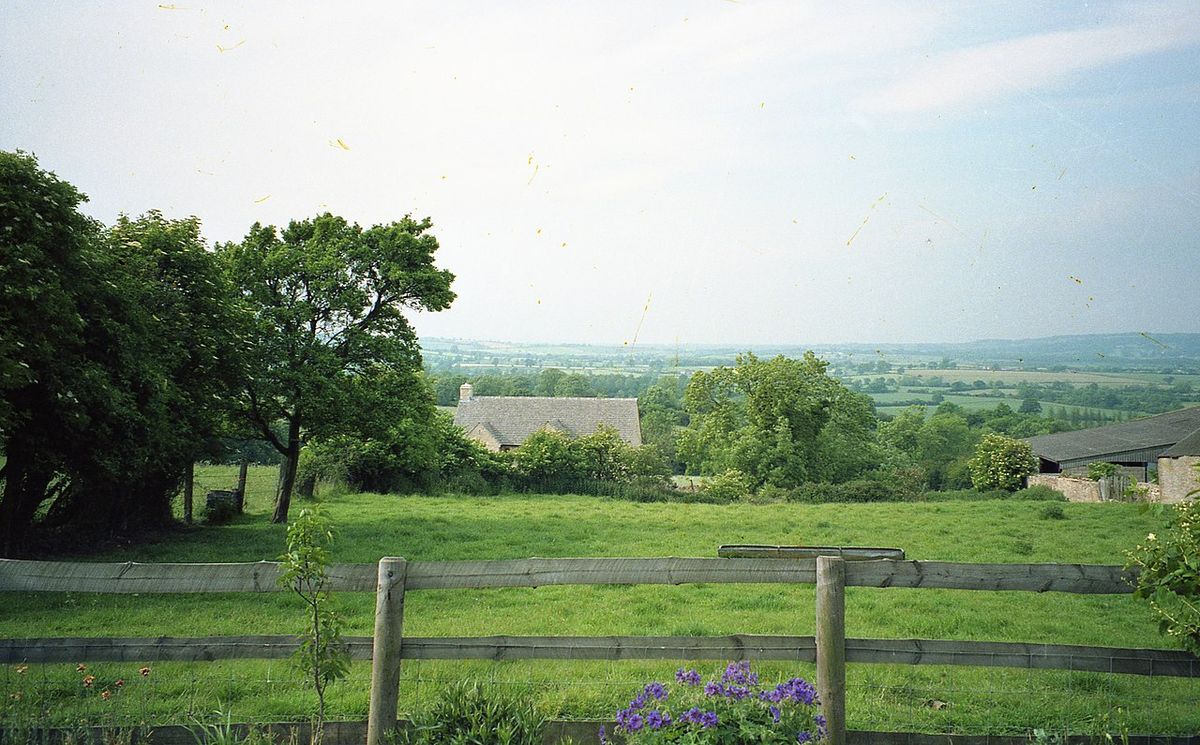
Wikimedia Commons (CC BY 2.0) — Robert Linsdell from St. Andrews, Canada
Fairy Ring Traditions in English Country Folklore (1968)
Folklore & LegendsFairy/Fae EncounterUnverified
52.5310°N, 1.2649°W
Location
Southern England
Discussion
Loading comments...