A 1978 comparative study of fairy ring traditions across Northern Europe revealed striking similarities in beliefs from Iceland to Finland to the British Isles. In Scandinavia, fairy rings were associated with the elves (álfar in Old Norse), who danced within them on midsummer nights. In Germany, the rings were called Hexenringe (witch rings), attributed to witches dancing on Walpurgis Night. In France, the rings were sorcerers' circles (ronds de sorcières). Despite these cultural differences in attribution — fairies in Britain, elves in Scandinavia, witches in Germany — the underlying belief structure was remarkably consistent: the rings were supernatural in origin, entering them was dangerous, and time within them flowed differently than in the mortal world. Linguists and mythologists have traced this shared complex of beliefs to a common proto-Indo-European substrate, suggesting that fairy ring folklore may be among the oldest continuously transmitted supernatural traditions in human culture, potentially dating back thousands of years.
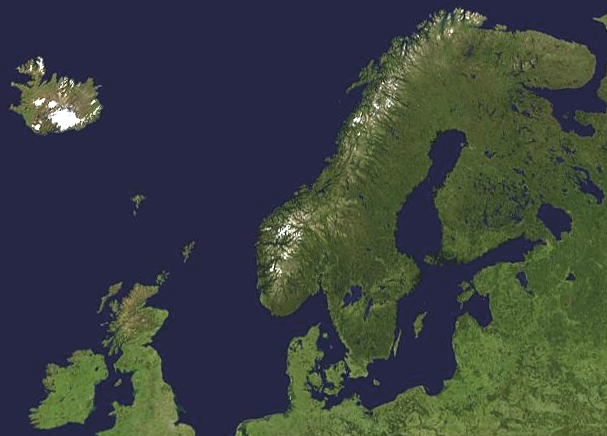
Wikimedia Commons (Public domain) — Europe_satellite_orthographic.jpg: created by NASA derivative work: Hayden120 (talk)
Fairy Ring Traditions Across Northern Europe — A Comparative Study (1978)
Folklore & LegendsFairy/Fae EncounterUnverified
52.6933°N, 1.3422°W
Location
Northern Europe
Discussion
Loading comments...