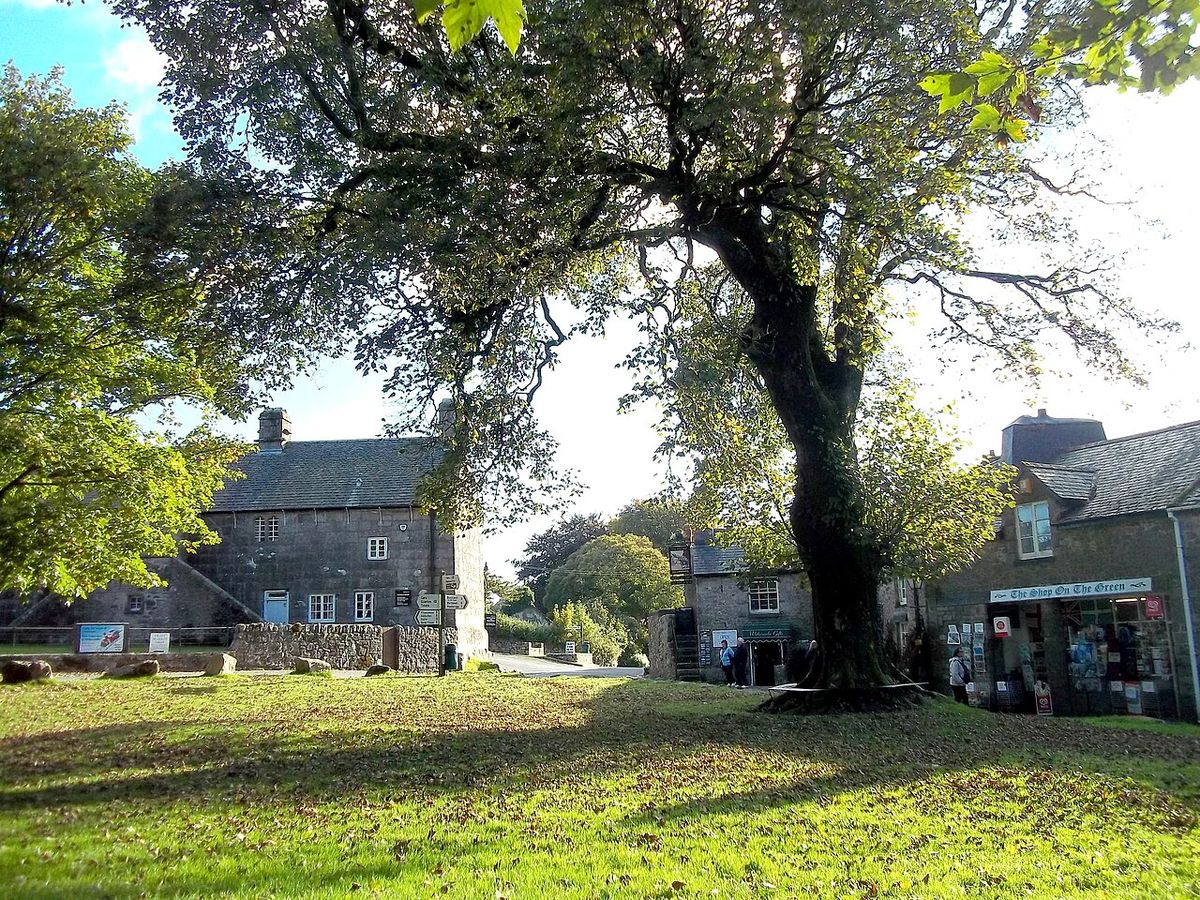
The Great Thunderstorm of Widecombe-in-the-Moor on October 21, 1638 stands as one of the most extraordinary atmospheric events in English history. The tiny Dartmoor village's parish church of St. Pancras was packed with worshippers when a massive bolt — likely ball lightning — struck the church tower, sending an enormous ball of fire crashing into the nave. Contemporary sources describe terrifying scenes: pews were shattered, wooden beams caught fire, and the congregation was thrown into chaos as the fireball careened through the building.
Robert Mead, a local notary, recorded the event in detail, describing how 'a great ball of fire' moved through the church interior with apparent intelligence, striking some people while passing over others. The dead were found with blackened skin and burned clothing, while some survivors reported temporary paralysis. The church's pinnacle was destroyed and large blocks of masonry were hurled into the graveyard.
The event traumatized the community and was commemorated for generations. Today, St. Pancras church still bears visible damage from the 1638 event, making it a pilgrimage site for those interested in atmospheric phenomena and ball lightning research.