By 1891, the collection and preservation of fairy ring traditions had become part of a broader movement to document British folklore before it was lost to industrialization and urbanization. Folklorists of the late Victorian period traveled throughout rural England, Scotland, Wales, and Ireland, recording the beliefs and practices of elderly informants who remembered fairy traditions as a living part of their childhood. Fairy ring beliefs collected during this period show remarkable consistency across regions: the rings marked fairy dancing grounds, entering one brought danger, and time within the ring passed at a different rate than in the outside world. These beliefs were beginning to fade among the younger generation, as compulsory education and improved transportation eroded the isolation that had preserved them. The 1891 census shows Britain at a demographic tipping point — for the first time, more people lived in towns than in the countryside. The fairy traditions documented during this era would prove to be among the last records of beliefs that had persisted, essentially unchanged, since the pre-Christian period.
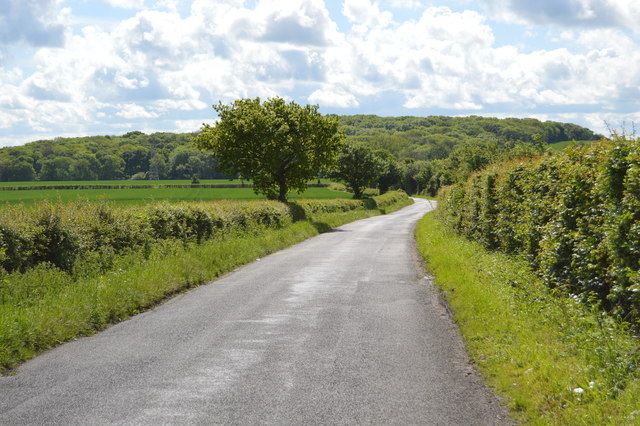
Wikimedia Commons (CC BY-SA 2.0) — N Chadwick
Fairy Ring Folklore in Late Victorian Britain (1891)
Folklore & LegendsFairy/Fae EncounterUnverified
54.7285°N, 6.2333°W
Location
Rural Britain
Discussion
Loading comments...