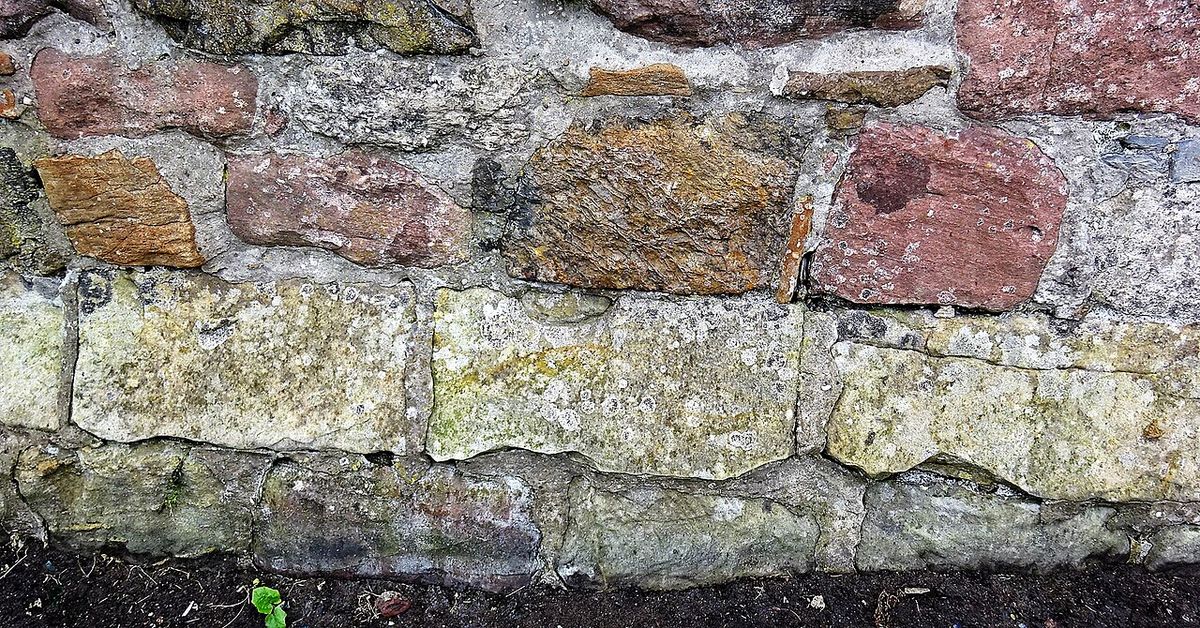
The ruins of Ardrossan Castle stand on a rocky promontory overlooking the Firth of Clyde in North Ayrshire, Scotland. Built in the 12th century by the de Barclay family, the castle played a role in the Scottish Wars of Independence and is forever linked to the name of William Wallace — both in historical record and, according to local tradition, in death.
In 1296, during his guerrilla campaign against English occupation, Wallace is said to have attacked the English garrison holding Ardrossan Castle. The assault was brutal. According to local accounts, Wallace and his men trapped the English soldiers inside the castle and slaughtered them. One version of the story claims the garrison was burned alive within the walls. The castle was subsequently dismantled to prevent English reuse and has remained a ruin ever since.
The ghost attributed to this site is that of Wallace himself — or, in some tellings, the collective specters of the English soldiers who died in the attack. A tall, imposing figure has been reported among the castle ruins, particularly on winter evenings when mist rolls in from the Clyde. Witnesses describe a sense of overwhelming dread near the castle's remaining walls and the sound of clashing metal carried on the wind. Dogs are said to refuse to approach the ruins after dark. The castle sits within Castle Hill, a public park, and the atmospheric ruins continue to draw both history enthusiasts and those curious about the site's reputation for supernatural activity.