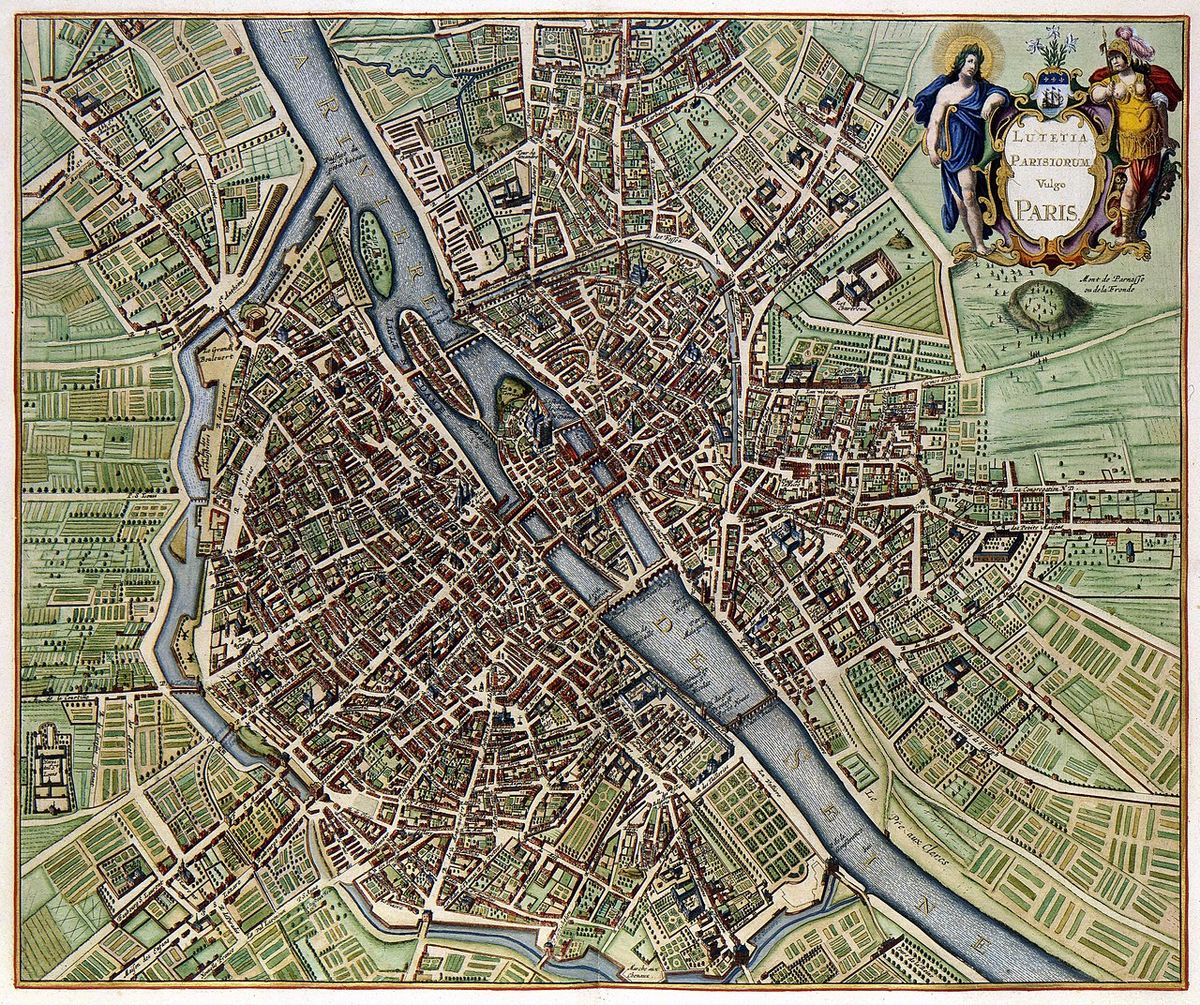
In 1838, French physicist and astronomer François Arago became the first scientist to systematically collect and analyze reports of ball lightning, publishing his findings as part of his broader work on atmospheric electricity. By 1852, Arago had compiled dozens of accounts from across France and Europe, establishing ball lightning as a legitimate (if poorly understood) atmospheric phenomenon worthy of scientific study. His collection included accounts from Paris itself, where witnesses had observed luminous spheres during thunderstorms — floating through streets, entering buildings through chimneys and windows, and sometimes exploding with considerable force. Arago's careful documentation and his stature as one of France's most eminent scientists lent credibility to ball lightning at a time when many researchers dismissed it as imagination or misidentified ordinary lightning.
His work established the basic observational framework that ball lightning researchers still use today: systematic collection of witness accounts, categorization of observed characteristics, and correlation with meteorological conditions.