In 2008, physicists Josef Peer and Alexander Kendl of the University of Innsbruck proposed a provocative alternative explanation for ball lightning: that some reports might be hallucinations induced by magnetic fields generated during lightning strikes. Their research, published in the journal Physics Letters A, demonstrated that the intense, rapidly changing magnetic fields produced by nearby lightning could stimulate the visual cortex of the brain through a mechanism similar to transcranial magnetic stimulation (TMS) — a medical technique that uses magnetic pulses to activate neurons. The induced neural activity could produce the perception of luminous floating objects, explaining why some ball lightning witnesses are the only person in a group to see the phenomenon, and why the objects sometimes appear to move in ways that defy physics. The hypothesis is limited in scope — it cannot explain cases where ball lightning leaves physical traces (scorch marks, damaged objects) or where it is simultaneously observed by multiple witnesses from different positions. However, it may account for a subset of ball lightning reports, particularly those involving solitary witnesses in close proximity to a lightning strike.
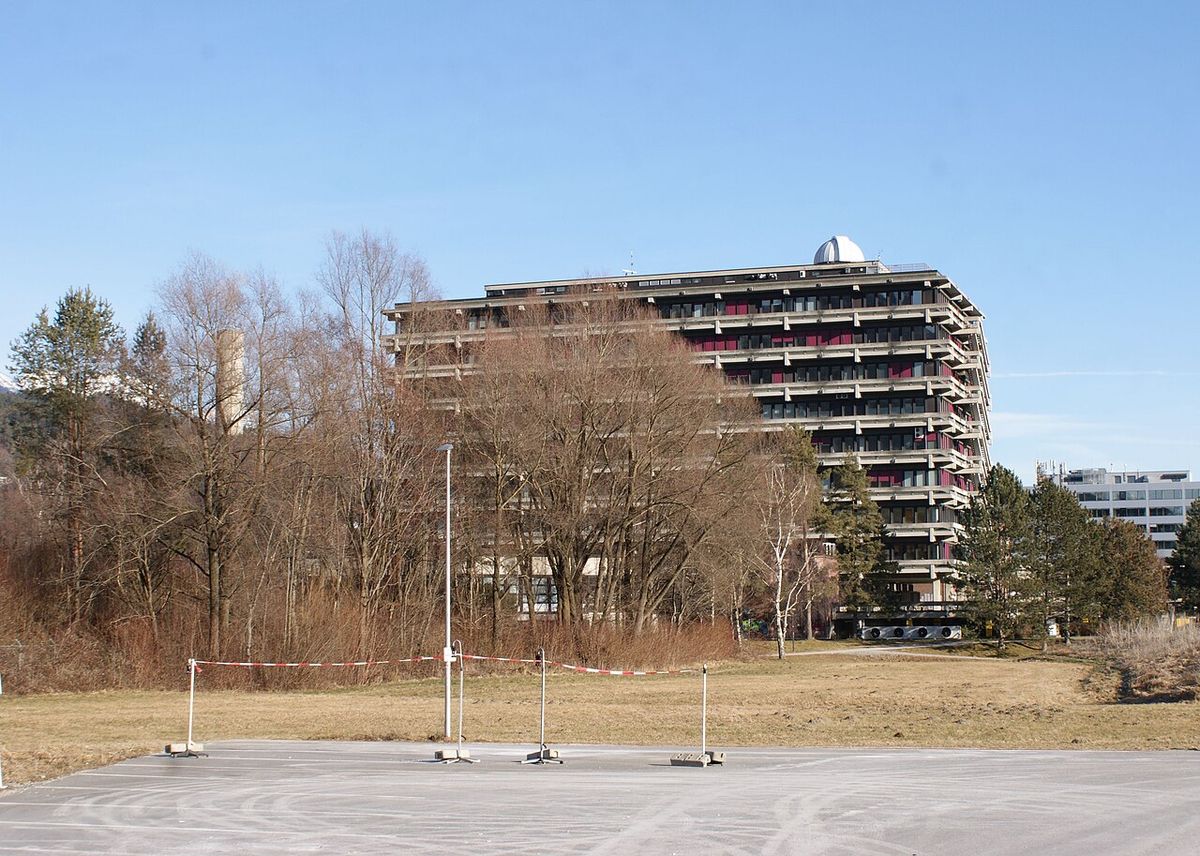
Wikimedia Commons (CC BY-SA 4.0) — Asurnipal
Ball Lightning as Magnetic Hallucination — The TMS Hypothesis (2008)
Unexplained PhenomenaBall LightningHistorical
51.0000°N, 10.0000°E
Location
University of Innsbruck, Austria
Discussion
Loading comments...