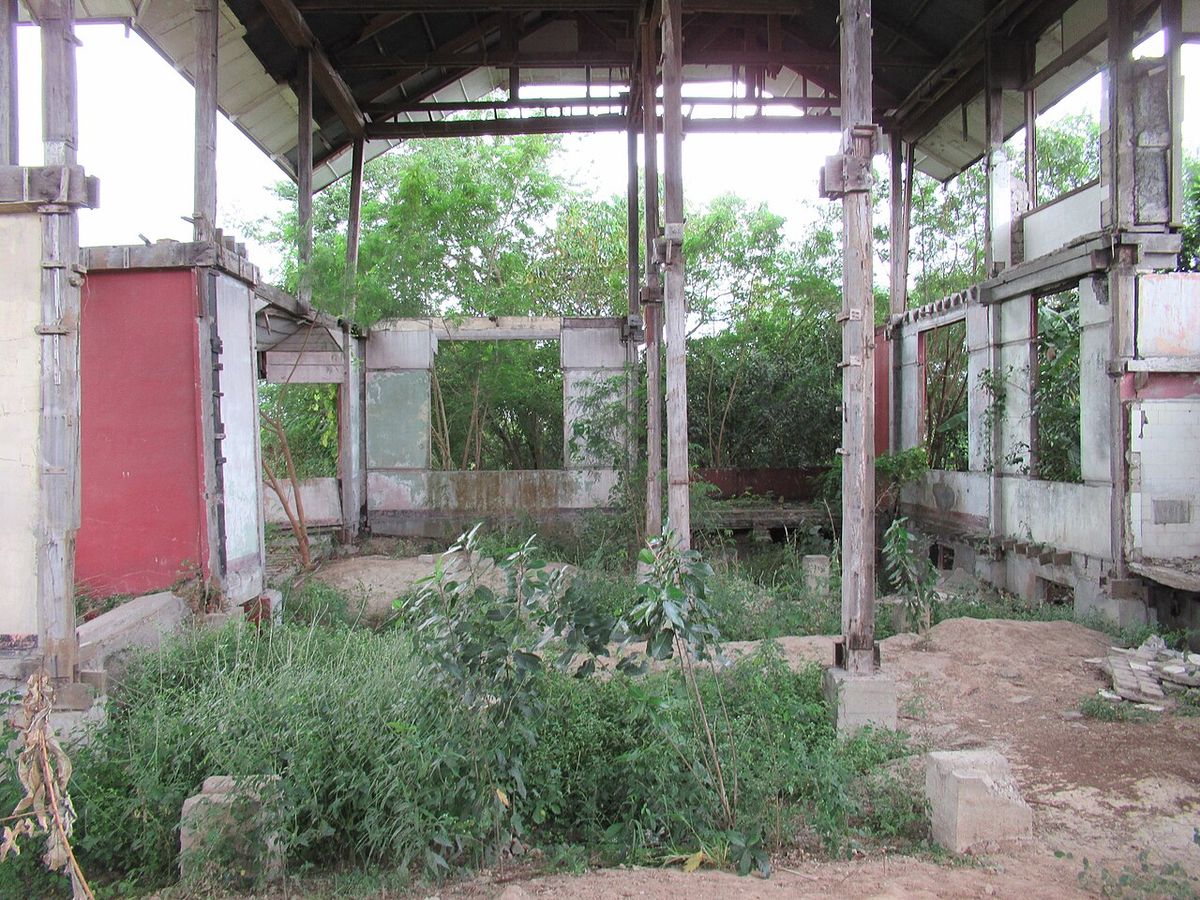
Bahay na Pula — the Red House — in San Ildefonso, Bulacan, was one of the most haunted and historically significant wartime sites in the Philippines until its controversial demolition in 2016. The Ilusorio Mansion, as it was formally known, served during the Japanese occupation as a military barracks and, most infamously, as a detention facility where Filipino women were held as "comfort women" — forced into sexual slavery by the Imperial Japanese Army.
The comfort women system was one of the most systematic atrocities committed by Japan during World War II, and the Bahay na Pula was one of its local implementations in the Philippines. Filipino women and girls were taken from surrounding communities and held in the mansion, where they were repeatedly assaulted by Japanese soldiers. The trauma inflicted within the red-painted walls of the Ilusorio Mansion was so extreme that the building became a monument to suffering even before any official recognition was accorded to it.
The hauntings at Bahay na Pula were among the most intense reported at any Philippine site. Visitors described hearing women crying and screaming from within the building, the sound of Japanese commands, and the overwhelming sensation of despair that descended upon anyone who entered the structure. Some reported seeing female figures in the windows — women who stood motionless, staring outward with expressions that witnesses described as empty, as if the capacity for emotion had been destroyed.
The mansion was demolished in 2016, officially for undisclosed reasons, though heritage advocates and historians protested the destruction of what they considered an important if painful historical site. The demolition erased the physical structure, but accounts from nearby residents suggest that the haunting has not been entirely eliminated — sounds are still occasionally reported from the lot where the Red House once stood, as if the spirits of the comfort women remain bound not to the building but to the ground where they suffered.