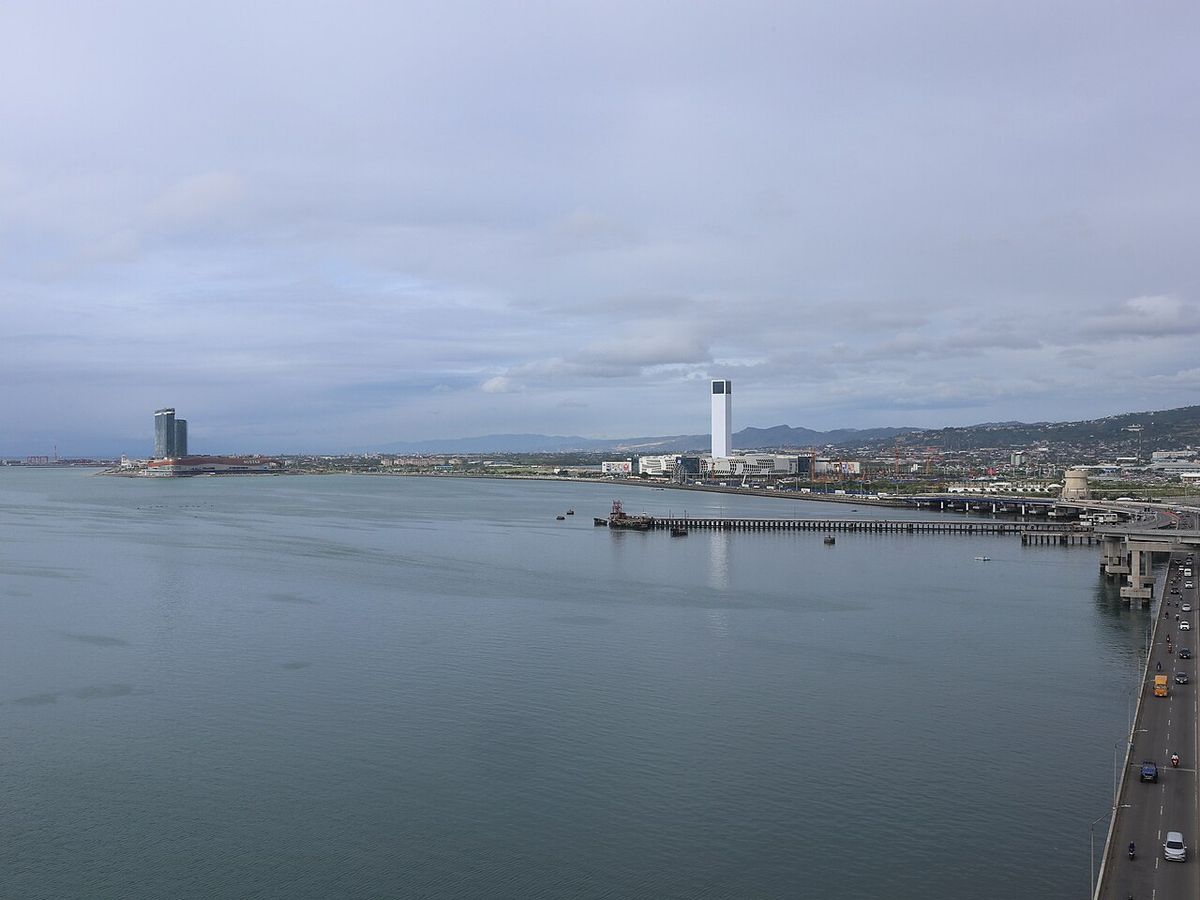
The South Road Properties Tunnel in Cebu City, a modern infrastructure project completed in the early 2000s to connect the city's southern coastal reclamation area, became the site of an unexpected discovery during construction: human remains believed to date from World War II. The bones, found embedded in the earth as crews bored through the limestone hills of southern Cebu, were a stark reminder that the ground beneath the rapidly modernizing city still held the dead of a conflict that ended more than half a century ago.
Since the tunnel's completion, motorists and maintenance workers have reported seeing the ghost of a child within its confines. The apparition appears near the tunnel's midpoint, visible briefly in headlight beams before vanishing. Some drivers have described swerving to avoid what they believed was a real child standing in the road, only to find nothing in their rearview mirrors. The figure is small, indistinct, and appears to be standing still rather than walking — as if waiting for something or someone.
The connection between the wartime remains and the child ghost is a matter of local speculation. During the Battle of Cebu in March-April 1945, Japanese forces retreated into the hills south of the city, and intense fighting took place across the terrain that would later become the tunnel's path. Civilian casualties, including children, were common during the crossfire between Japanese defenders and advancing American and Filipino guerrilla forces.
In Cebuano folk belief, the spirits of children who die violently are among the most persistent — unable to comprehend their own death, they remain in the location where they perished, waiting to be found. The tunnel has become a place where Cebu City drivers instinctively increase their speed, not because of traffic conditions, but because of the small figure that might be standing in the darkness ahead.