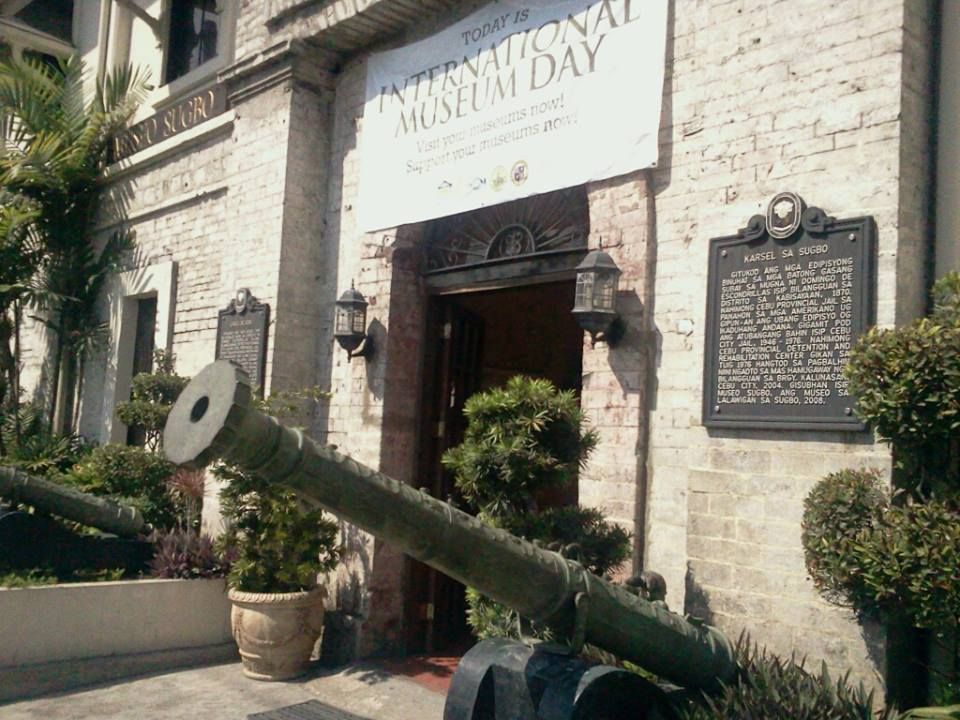
Museo Sugbo, the provincial museum of Cebu, occupies a building whose previous life as a prison — and before that, as a detention facility during the Japanese occupation — has left it with residents who refuse to recognize the walls that now divide gallery spaces where cells once stood.
The museum was established in the former Cebu Provincial Detention and Rehabilitation Center, a facility that served as the province's main jail from the Spanish colonial era through the late 20th century. During the Japanese occupation of Cebu (1942-1945), the prison was used to hold Filipino guerrilla fighters, suspected resistance members, and civilians accused of subversion against the Japanese military government. Many prisoners were tortured, and an unknown number were executed within the facility's walls.
The hauntings at Museo Sugbo are dominated by one specific, recurring image: ghosts dressed in Japanese military clothing walking directly through the museum's interior walls. The apparitions do not navigate around the walls as the living must — they walk through them as if the walls were not there, following paths that correspond to the building's pre-renovation floor plan. Where doors and corridors once existed before the prison was converted into a museum, the Japanese-era spirits continue to walk their familiar routes, unimpeded by the new walls and partitions that the living have erected.
Museum staff and security guards describe the phenomenon as deeply unsettling not because the figures are threatening, but because their disregard for the physical structure of the building suggests they occupy a version of the space that no longer exists — a parallel layout preserved in spiritual memory while the material building has been transformed around them.
The conversion of a colonial-era prison into a museum is itself a metaphor that operates on multiple levels in Philippine culture: the transformation of a place of suffering into a place of learning, the repackaging of trauma as heritage. But the Japanese soldiers who continue to patrol the old corridors suggest that the transformation is incomplete — the building remembers what it was, even if the curators have given it a new purpose.